

Supply chains are entering a new phase of transformation centered on artificial intelligence, connectivity and system autonomy, according to Gartner’s latest technology trends outlook for 2026. Gartner points to a shift toward solutions that are not only smarter but capable of acting autonomously and assuming decision-making responsibility — forcing supply‑chain leaders to rethink how they organize operations, manage risk and capture value.
Supply chain: three structuring themes for 2026
Gartner groups emerging trends into three strategic themes — autonomy and agentivity, specialization and intelligence, trust and governance — reflecting the rise of hyperconnected environments where digital and physical systems continuously cooperate. “These trends make AI the foundation of more autonomous, intelligent and adaptive supply chains,” says Christian Titze, vice president analyst and head of research for Gartner’s Supply Chain practice.
Autonomy and agentivity: from automation to hybrid orchestration
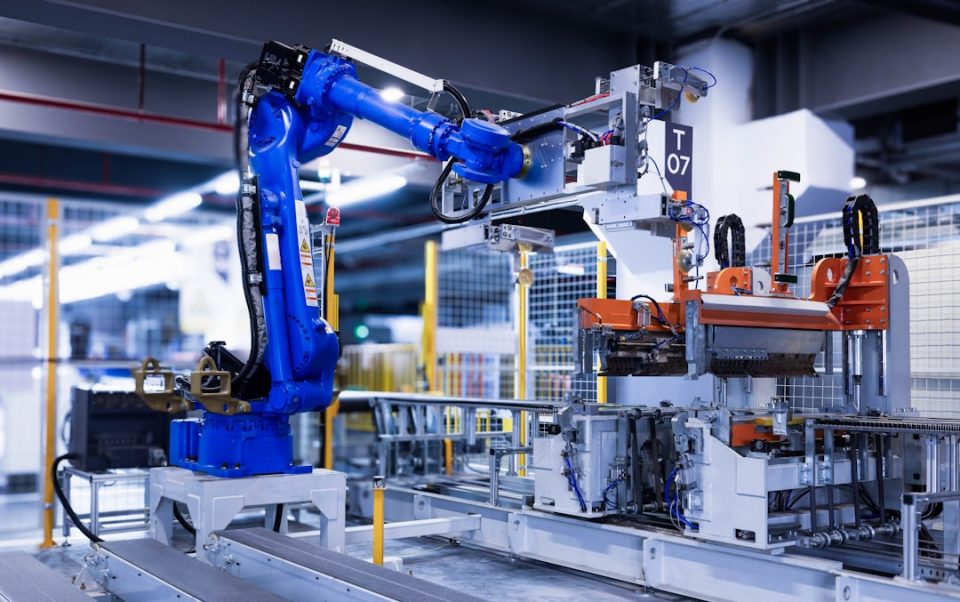
The most visible shift is the reconfiguration of operating models. Multi‑purpose robots are moving from single‑task automation to multi‑role capabilities, providing greater flexibility amid workforce pressures. The concept of “Physical AI” combines AI models, sensors, robotics and automation to enable real‑time decision‑making on the factory floor, in warehouses and across logistics networks. At the same time, agentic AI introduces a virtual workforce able to plan and execute tasks independently, while collaborative multi‑agent systems coordinate these digital “workers” across complex workflows. For operations leaders, the challenge goes beyond process optimization to orchestrating hybrid human‑machine ecosystems.
Specialization and intelligence: targeted models and advanced simulation
The second wave is the rise of specialized AI. AI‑enhanced simulations improve predictive planning by making models more dynamic and proactive. Domain‑specific language models trained on supply‑chain data and workflows promise greater accuracy and compliance for functions such as procurement, logistics and regulatory reporting. The shift from generic applications to targeted tools aims to deliver higher‑impact enterprise use cases.
Trust and governance: traceability and decision frameworks
Faster AI adoption puts governance front and center. Product traceability technologies increase transparency around provenance and movement of goods, addressing regulatory requirements and consumer expectations. At the same time, decision‑governance frameworks are becoming essential to ensure AI‑driven choices are explainable, auditable and aligned with internal policy. Trust in these systems is therefore a prerequisite for broad adoption.
These trends are more than incremental improvements — they are levers of transformation. Organizations that adopt these technologies while ensuring interoperability and robust governance frameworks will be best positioned to realize sustainable value from next‑generation supply chains.
