

At the 2026 Worldwide Developers Conference (WWDC), Apple revealed more than just its latest software innovations. The event marked a pivotal moment in the company’s leadership transition as John Ternus prepares to take over as the new chief executive. This shift is part of a broader organizational change at Apple, moving beyond a focus on operational excellence to a more integrated approach that combines artificial intelligence, software, and hardware development.
During the conference, key figures such as Mike Rockwell and Craig Federighi emerged as central to Apple’s strategic initiatives. Rockwell, known for his work on Vision Pro, and Federighi, the face of Apple’s software organization, highlight the company’s commitment to embedding intelligence across its ecosystem rather than treating AI as a standalone product.
Historically, design played a dominant role at Apple, especially during the Steve Jobs and Jony Ive era. However, as the company expanded, operational efficiency and scale became paramount. Now, with the rise of AI and new device categories, Apple is focusing on integrating design, software, hardware, and services into seamless user experiences.
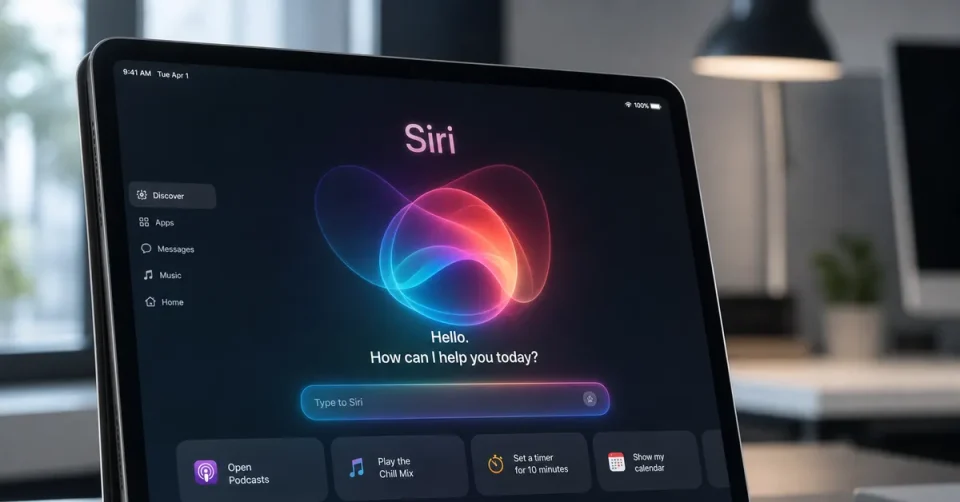
Apple’s approach to AI, showcased at WWDC, emphasizes intelligence as infrastructure woven into existing products. This strategy aligns with Apple’s long-standing belief in integration as a competitive advantage, ensuring that AI capabilities enhance rather than isolate its ecosystem.
As Ternus steps into his new role, he inherits a company poised to tackle the challenges of advancing AI, developing new hardware, and managing a vast technology ecosystem. The transition reflects a recalibration of priorities, maintaining Apple’s operational strengths while embracing a future where AI, software, hardware, and design converge.
