

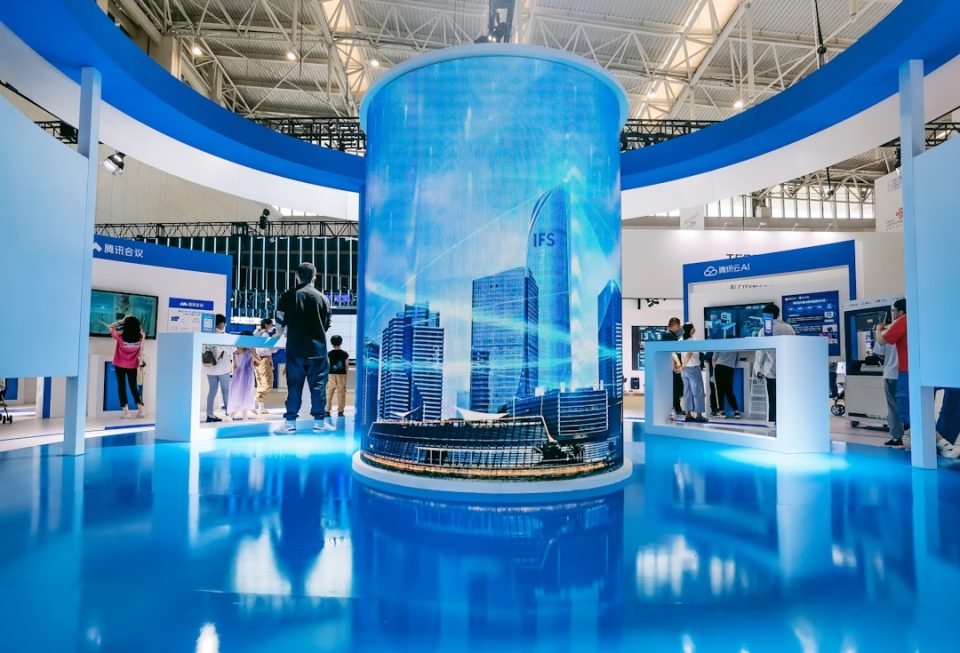
A wave of event technology and AI-driven products is changing how companies sell travel, capture leads, run customer service, and design networking. From conversational hotel search to NFC touchpoints and automated operations layers, these tools promise faster workflows, richer data, and better experiences for travelers, attendees, and organizers alike.
## Conversational AI for hotel discovery and bookings
Natural-language search is moving into hospitality. New conversational interfaces let travelers describe trip purpose, desired amenities, and destination attributes to surface verified hotel options and book directly. These systems prioritize property-controlled data over open-web results, which helps maintain pricing integrity, merchandising control, and clearer conversion paths for direct bookings.
For business travel teams, conversational search speeds itinerary planning and reduces friction at booking time. For hotels, the opportunity is to optimize visibility in AI-enabled channels while protecting rates and guest experience.
## Capturing booth interest beyond conversations
Exhibitor lead reports have long undercounted visitors who browse but never speak to staff. NFC-enabled in-booth touchpoints now let attendees tap badges to receive content and opt into follow-up, creating lead records tied to physical presence.
Deploying durable, battery-efficient devices gives organizers a fuller picture of booth engagement and helps exhibitors convert passive interest into qualified leads without intrusive staffing. The data also improves post-event attribution and ROI calculations.
## Managing customer service with conversational operations
A new generation of AI-native platforms adds an “operations layer” that teams can command through natural language. Rather than navigating complex dashboards, managers can ask the system to analyze performance, surface knowledge gaps, propose actions, and draft reports—then approve or refine suggested changes.
This agentic approach reduces routine admin, speeds decision-making, and helps scale support for complex product portfolios. It’s most effective when paired with safeguards that require human sign-off for operational changes.
## Structured networking to increase meeting value
Open networking is inefficient for many attendees. Structured matchmaking features enable organizers to define meeting windows, participant roles, venues, and blocking rules, then generate curated 1:1 schedules with AI-assisted matching or manual overrides.
The result: faster coordination, measurable networking outcomes, and clearer expectations for buyers and suppliers. Organizers gain a tool to design high-value interactions rather than hoping serendipity will deliver them.
## Extending interactive learning to remote participants
Live-streaming tools that integrate AI note-taking, multilingual captions, real-time Q&A, session recordings, and auto-generated summaries let remote attendees access the same interactive learning offered onsite. Eliminating the need for separate virtual platforms reduces production cost and complexity.
For event teams, integrated streaming becomes a revenue and accessibility lever—supporting hybrid audiences through a single workflow tied to registration and AV systems.
## On-demand color badges and labels for smoother check-in
Compact, low-volume color label and badge printers plus native design software simplify visitor management, event check-in, and credentialing. Color badges improve visual recognition and access control while enabling organizers to print custom credentials on demand.
This approach reduces third-party dependencies and inventory waste, and it’s especially useful for events with fluctuating attendee numbers or last-minute changes.
## Preparing hotels for emerging AI channels
As AI assistants and search platforms influence how travelers discover and book, hotels need commerce layers that keep properties visible and bookable across new channels. Solutions that embed conversational booking, preserve pricing and merchandising control, and optimize discoverability in AI-generated results will be critical.
Hotels that adopt these tools early can protect direct revenue, improve conversion, and maintain a consistent guest experience across traditional and AI-driven points of sale.
## Investment, integrations, and the event tech ecosystem
Significant investments in AI-powered engagement, immersive displays, and upgraded production tools signal that live-event experiences will get more personalized and data-driven. At the same time, deeper integrations—connecting floorplans to exhibitor onboarding, synchronizing group sales with hotel operations, and unifying webinar production with attendee profiles—reduce manual work and create cleaner data flows between sales, events, and operations.
Platforms that streamline workflows and connect previously siloed systems will accelerate adoption and deliver measurable efficiency gains.
What organizers, exhibitors, and hoteliers should watch
Adopt tools that preserve control over pricing and guest data, prioritize verified property information, and integrate with existing stacks. Balance automation with human oversight, especially for operational changes. Finally, use richer engagement data—from NFC taps to structured matchmaking—to prove ROI and design more intentional experiences.
These trends point to a near-term future where business travel and events are more conversational, measurable, and seamless—if teams invest in the right tech and integration strategies.
