

FRANKFURT, July 18 — The German government has raised its security classification from an “abstract threat level” to a “high” level, Interior Minister Alexander Dobrindt said in an interview published Saturday. According to him, recent intelligence and reports indicate the risk of an attack must now be considered on an ongoing basis.
Why Germany raised its alert level
The minister said intelligence shows “attack plans against our country are clearly discernible” and that “the risk of attacks must be taken into account at all times in Germany.” Moving to a high threat level reflects an elevated assessment of the likelihood of incidents targeting German territory or its citizens.
Identified threats and potential targets
The Interior Ministry cited risks to infrastructure, individuals and institutions. No further details were provided about the exact nature of the threats or specific targets, and the ministry did not immediately respond to requests for more information.
Reminder of recent attacks that shaped policy
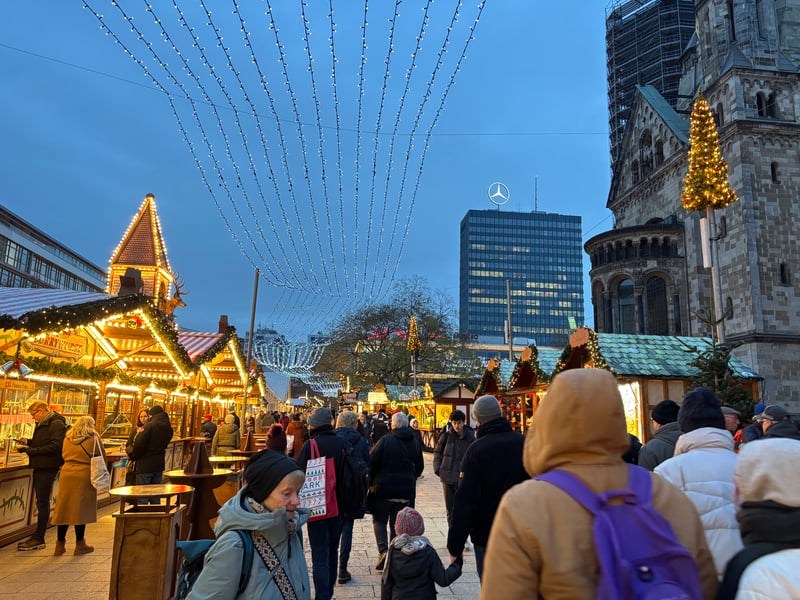
The announcement follows a series of attacks in recent years that have kept authorities on heightened alert. Recent cases cited include an attack at a Christmas market in Magdeburg, in which a Saudi national was sentenced last month to life imprisonment after killing six people and injuring hundreds by driving a rental car into the crowd; and a Solingen case in which a Syrian national was convicted last year of a knife attack inspired by the Islamic State, leaving three dead and ten injured.
Authorities said the accumulation of such alerts and convictions contributed to the decision to raise the threat level.
What this means for the public and services
Raising the threat level to high signals a stricter security posture and sustained vigilance from the relevant services, although no specific operational measures have been announced.
