

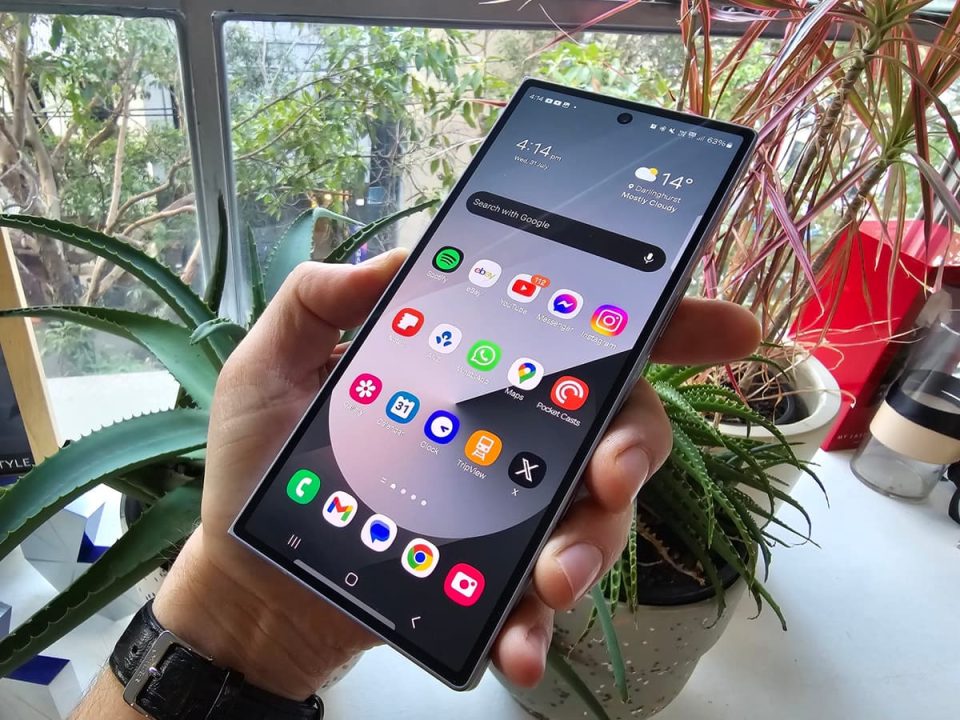
Everything changes for Samsung’s foldable phones tomorrow, September 9, when Apple launches the first foldable iPhone. Since 2019, Samsung has dominated the foldable segment after introducing the original Galaxy Fold; Apple’s entry closes the only viable alternative for iPhone users who wanted a foldable.
What the foldable iPhone means for Samsung
Samsung pioneered commercial foldables, taking the initial gamble, refining the technology and spending years convincing consumers that a phone that opens into a larger screen was worth having. The company has been trying since 2019 to persuade people to shift away from conventional phones toward foldables, and it now faces a new challenge: competing directly with devices that carry the iPhone brand.
Samsung has already announced the launch of a global campaign to emphasize that it has been making foldables longer than Apple. At the same time, Samsung cannot rely solely on being first; as the dominant incumbent it must show why Galaxy Z phones remain the better choice once foldable iPhones are on the market.
Apple’s late-entry play and market implications
The foldable iPhone arrives nearly eight years after Samsung introduced the original Galaxy Fold. Apple has a track record of entering existing categories and making them culturally significant to a much larger audience, and it does not need to be first to do so. Its late entry is often taken as a signal that a category is mature enough for Apple to join.
The foldable phone market remains small compared with the conventional smartphone market, but Apple’s arrival will give the category a major boost. That boost could expand the overall market—benefiting Samsung as well—and create room for different leaders: foldable iPhones may become market leaders in their own right while the Galaxy Z lineup could continue to lead other Android foldables, just as the Galaxy S series competes with the iPhone in the flagship phone segment.
Samsung is also positioned to benefit commercially from Apple’s entry: its display division will supply millions of foldable panels for the iPhone, and Samsung may also sell batteries and memory chips for Apple’s devices. Those component sales would contribute to the conglomerate’s bottom line.
Apple’s September 9 event marks a turning point: Samsung started the story in 2019 and wrote the opening chapters of the foldable era; tomorrow Apple picks up the pen and will, according to the current facts, rewrite the next chapter.
