

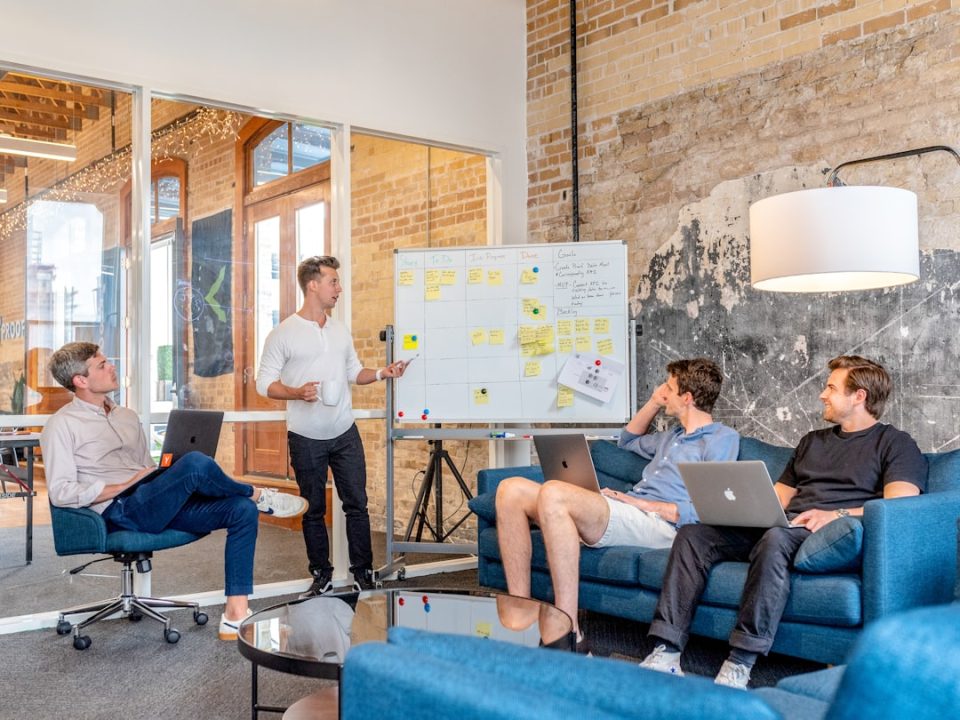
A seed round should give founders not just runway but the flexibility to act on what they learn: many startups discover the need to change product, market or sales approach only after they have already spent much of the capital raised on their original assumptions.
Investors often meet founders before a company is fully formed, sometimes before there is a finished deck or product. At that stage they evaluate the strength of the team, the depth of the problem the founders understand, whether the market can become large enough to support a meaningful company, and how the founders think under uncertainty—whether they listen, challenge assumptions and keep moving when evidence changes.
In practice, few early companies execute exactly the plan presented at first investment. Changes range from dramatic pivots to quieter shifts: target customers change, the product evolves, the sales motion proves wrong, or the team realises the technology solves a different, more important problem. Those shifts often reflect learning from the market rather than the weakness of the initial idea.
Seed round flexibility matters
That learning costs time and money. By the time teams see the need to change direction they have often hired staff, built technology and invested months with customers. Testing a new thesis requires product changes, finding new customers and rebuilding sales processes. Too little runway at that moment can force founders to fundraise before new evidence exists, accept suboptimal terms, cut the organisation as a new path begins to work, or choose an investor they would not have selected from a stronger position. Insight can arrive just as financial flexibility disappears.
More capital is not automatically the solution. Too much funding at the wrong stage can encourage premature hiring, increase burn before the business is ready and create milestone expectations that mismatch the company’s maturity. The identity of the investor matters as well: a large check or a famous fund is not automatically the best fit if that investor remains on the cap table long after the original plan has changed.
Deep-tech companies and category creators face particular challenges: customers may have no budget or clear executive owner for the problem, and having few competitors can mean the market has not yet learned why the problem deserves attention. Such firms may need to build a category while building a product, which increases time and cost to find product–market fit.
What a seed round should finance
A good seed round should fund the path to the next meaningful milestone while leaving room for the path itself to change. That means paying not only for engineers, salespeople and product development but also for customer conversations that invalidate assumptions, experiments that fail, longer-than-expected sales cycles and the ability to act on new evidence.
Follow-on capital should give a strong team enough time to demonstrate that what it learned has produced a better plan, rather than merely keeping an unsuccessful plan alive. The relationship between founders and investors is tested when targets are missed: when a CEO asks for more time, when product progress stalls, or when the company must choose between staying the course and making a significant change.
Investors should bring pattern recognition, ask difficult questions and help founders evaluate options without trying to run the company. Founders live inside the business and see details a board member cannot fully see; they need to surface problems before they become crises, while investors must recognise the limits of their own experience.
Flexibility should not become a licence to jump from one idea to another. Changes should be driven by new information—customer conversations, real product usage, business results, technological shifts or other evidence that challenges original assumptions.
Seed investing is ultimately a bet not that founders already have the right answer or even the right product, but that they have the ability to find them and to turn what they learn into a great company.
