

Amazon has filed with U.S. federal regulators to launch a network of 5,105 low Earth orbit satellites intended to expand iPhone satellite connectivity and compete directly with SpaceX’s Starlink for direct-to-phone service.
What Amazon is building
Amazon’s satellite division, Leo, proposes a constellation that would use Globalstar spectrum to provide voice calls, text messages, data and emergency services directly to consumer devices, including the iPhone. The satellites would operate roughly 300–600 miles above Earth and travel at about 17,000 mph, effectively acting as orbiting cell towers to provide coverage where traditional carriers cannot.
Leo has already launched more than 390 satellites and the company is actively working on the network, with plans to launch thousands more in the next few years.
Amazon satellites and the iPhone
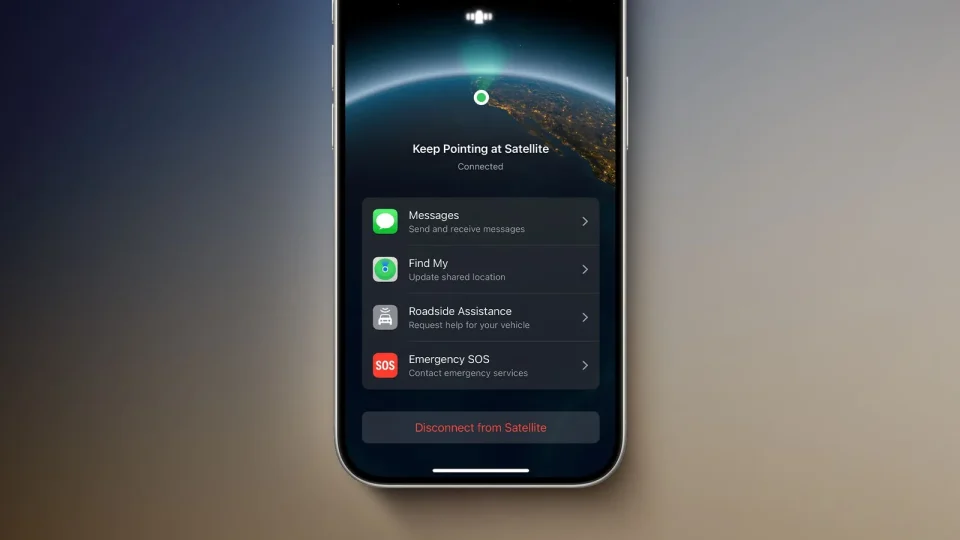
Apple’s iPhone 14 and newer models already support satellite connectivity for emergency SOS messages using Globalstar’s existing network. Amazon’s use of Globalstar spectrum means its much larger constellation could integrate with that infrastructure and potentially expand what iPhones can do over satellite.
Today, iPhone satellite features are primarily limited to emergency SOS and location sharing where there is no cell service. A network of 5,105 satellites that offers broader spectrum could enable everyday uses such as sending regular texts, receiving weather alerts, or supporting voice and data in remote areas. The planned service is intended to cover voice, data, messaging and emergency services.
Why Amazon is doing this
Satellite-to-phone service has become a competitive area for tech and telecom firms. SpaceX’s Starlink is testing a direct-to-cell program with a major carrier, and Apple’s agreement with Globalstar runs until 2029 and could be extended or replaced. Carriers such as AT&T and Verizon are monitoring developments.
Amazon is not new to satellites: Project Kuiper is its separate broadband constellation aimed at home and business internet. Leo’s direct-to-device effort focuses on smartphones rather than home broadband. If Amazon secures partnerships with Apple, Android manufacturers or carriers, a network of more than 5,000 satellites could become a significant infrastructure asset in a way comparable to how Amazon Web Services grew from internal tools into a major business.
There is no guarantee how the service would be priced. It could appear as a carrier add-on, be included in phone plans, or be bundled with other Amazon services, but pricing and distribution details have not been announced.
Community reactions
“Competition in satellite-to-phone is exactly what we need. Starlink has had no real pressure to be affordable. Amazon entering changes that math.”
“390 satellites launched and they’re filing for 5,105. That gap is enormous. Filing is cheap. Actually building thousands of satellites is another story.”
What to watch next includes regulatory approval, technical integration with device makers and carriers, and the timing and cost of the large-scale launches required to build the planned constellation.
