

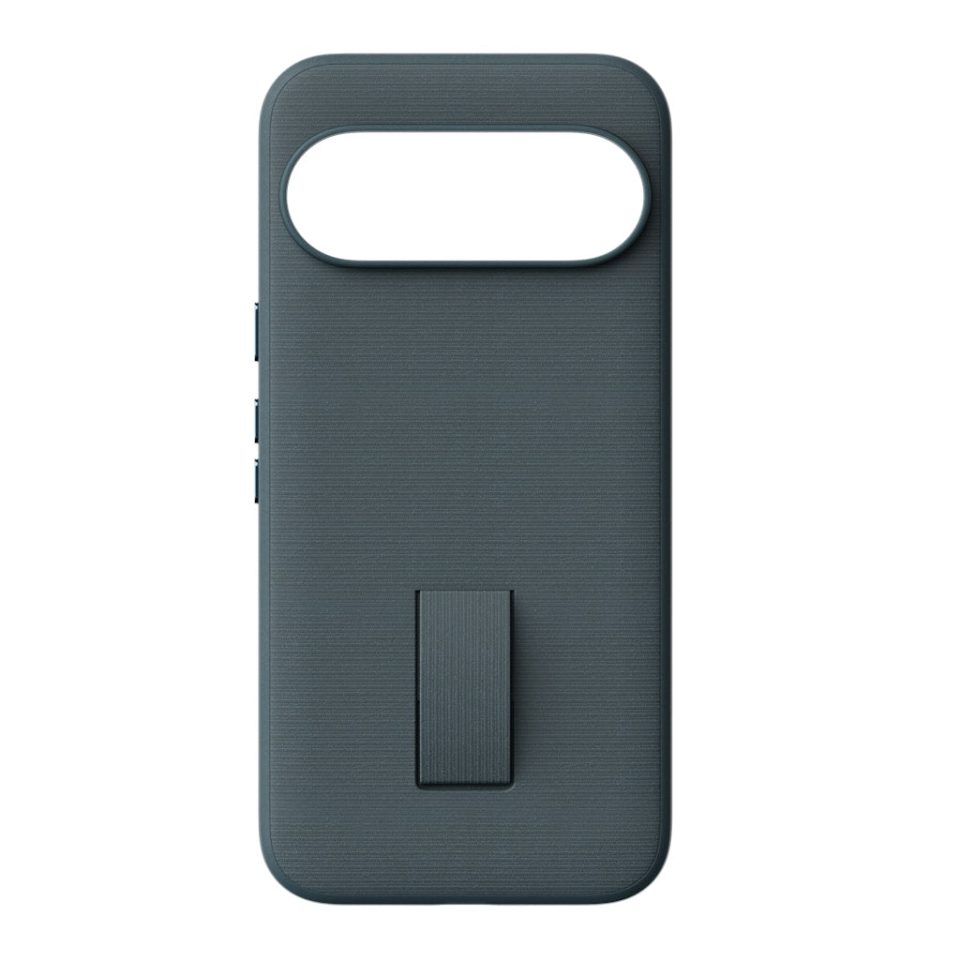
Arc Pulse is a distinctive two-piece bumper case that protects corners, the screen and the camera while leaving most of the phone exposed; its open design also works with the Pixel 11’s built-in Pixelsnap magnets. Arc currently offers that bumper case for the Pixel 11 Pro and Pixel 11 Pro XL. If you like the minimalist idea but want a different balance of coverage, material or price, several alternatives preserve the Pixel’s original feel while adding varying degrees of protection.
What makes a good Arc Pulse alternative for the Google Pixel 11?
A suitable alternative doesn’t need to copy Arc’s two-piece look. The essentials are minimal bulk, retention of the Pixel’s original feel and Pixelsnap/MagSafe compatibility. Some options mimic Arc’s targeted coverage around vulnerable areas; others provide more continuous side or back protection using thinner materials to limit added bulk. Choosing the right case comes down to how much coverage you’re willing to accept before the Pixel starts to feel like a different phone.
Top Arc Pulse alternatives for the Pixel 11
The options below take different approaches to minimalism. For consistency, features are described primarily with reference to Pixel 11 Pro versions where available.
The Pixel Case Ultra-Slim Metal Frame
The Pixel Case ultra-slim metal frame is an open-back, perimeter metal frame that leaves the phone’s back exposed while covering the full perimeter. It includes soft inner padding, raised camera protection, a locking buckle design and magnetic accessory support. Compared with Arc Pulse, the Pixel Case gives more continuous side coverage but uses a thinner frame, which can leave the exposed body closer to a flat surface when laid down. It preserves the exposed-back feel and original phone color and typically costs less than Arc Pulse, but the open-back design exposes the back to dust, fingerprints and moisture.
Google Pixelsnap Clear Case
Google’s first-party Pixelsnap clear case is a transparent TPU and polycarbonate shell with built-in magnets, raised screen and camera edges, and drop-tested construction. It was designed to showcase the phone’s original design while providing more coverage than Arc Pulse. As an official accessory, it offers reliable fit and Pixelsnap compatibility. Downsides include visible fingerprints on clear surfaces and a higher cost than several third-party alternatives.
ThinBorne Ultra-Thin Case
ThinBorne uses 600D aramid fiber in an approximately 0.9 mm thin full-shell design, includes a tempered glass screen protector and a built-in magnetic ring compatible with Pixelsnap and MagSafe accessories. It provides a premium, textured surface and more full-body coverage than Arc Pulse while remaining extremely thin. The ThinBorne hides the Pixel’s original color, is aimed at everyday scratches and minor drops rather than rugged protection, and costs more than most alternatives shown here.
Spigen Liquid Air MagFit
Spigen’s Liquid Air MagFit is a flexible TPU case with Air Cushion corner technology, an anti-slip pattern, upgraded N52 magnets and Qi2.2 certification. It supports Pixelsnap and MagSafe accessories and focuses more on impact protection than ultra-thin shells. At $16.99, it combines magnetic accessory support, Qi2.2 charging confidence and added grip at a substantially lower price than Arc Pulse. The trade-offs are a thicker profile than the ultra-thin options and a less premium feel than metal or aramid fiber.
dbrand Skins
dbrand skins are roughly 0.25 mm thin, precision-cut for the Pixel, available in dozens of finishes and offer residue-free removal. A skin adds virtually no bulk, preserves the Pixel’s original dimensions and protects against everyday scratches while allowing customization. However, skins provide little meaningful drop protection and require careful installation compared with snapping on a case.
Quick comparison
Open bumper-style designs leave more of the phone exposed but concentrate protection on edges and corners. Clear cases use a conventional shell to maintain the phone’s visible design while offering fuller coverage. Ultra-thin aramid fiber cases prioritize a slim full-shell profile, and more protective options add thicker materials and reinforced corners. Skins change appearance and add scratch resistance with almost no bulk. The core difference across these choices is how much of the original Pixel experience you’re willing to trade for protection.
Final thoughts
You don’t need to replicate Arc Pulse’s unusual two-piece construction to get a similar minimalist result. The right alternative for the Google Pixel 11 series depends on whether you prioritize the exposed feel, added side or back coverage, premium materials or lower cost. Open frames, thin full-shell cases, transparent shells and skins each strike a different balance between minimalism and protection.
Frequently asked questions
Are ultra-thin Pixel 11 cases protective? Ultra-thin cases can protect against scratches, bumps, dirt and minor drops but are not replacements for rugged cases; minimalism intentionally trades some impact protection for less bulk.
Is a bumper case better than a full Pixel 11 case? It depends on priorities: bumpers preserve more of the phone’s original look, texture and dimensions, while full cases provide more everyday coverage. Neither is universally better.
Can you use a screen protector with a minimalist Pixel 11 case? Yes. A separate screen protector adds scratch protection without substantially changing a minimalist feel.
Will a Pixel 10 Pro case fit the Pixel 11 Pro? A Pixel 10 Pro case should not be assumed to fit the Pixel 11 Pro correctly. Small changes to buttons, the camera area and other cutouts can cause compatibility problems, so a case designed specifically for the Pixel 11 Pro is the safer choice.
