

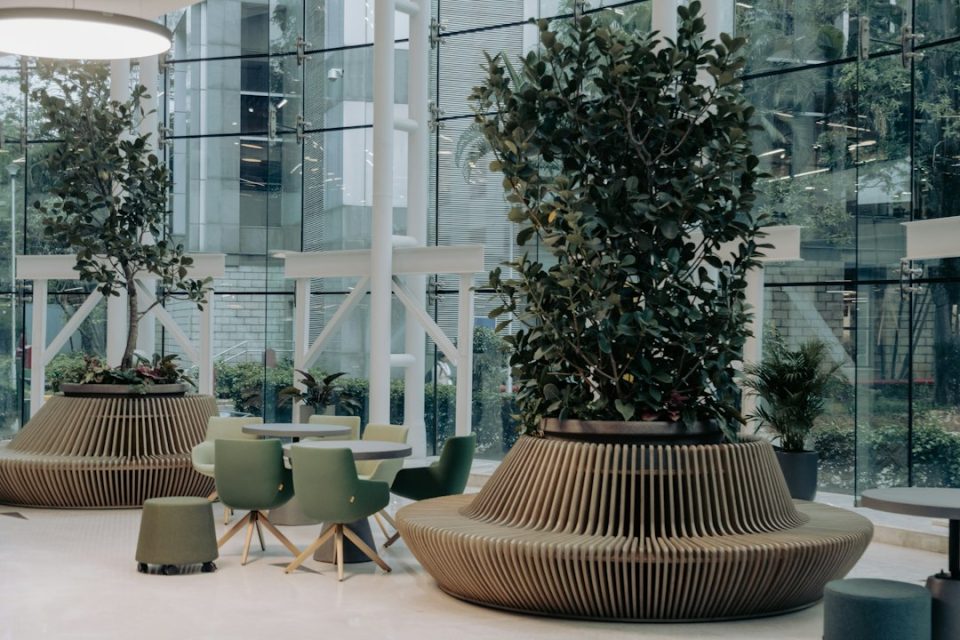
Architecture technology is reshaping nearly every stage of the design and delivery process, from the first concept sketch to the final presentation of a completed building. Architects and designers now rely on digital tools to develop ideas, identify potential problems, communicate with clients, and present projects before construction begins, making the practice more visual, collaborative and data-driven.
Architecture Technology: 3D Visualization and Rendering
Digital 3D visualization has become a central tool in contemporary architecture, moving professionals beyond technical drawings and traditional blueprints to detailed digital representations of buildings and environments. Photorealistic exterior renderings are widely used to show materials, lighting, landscaping, surrounding context and architectural details, helping clients understand how a project may look and feel long before construction. Beyond design reviews, these realistic images support marketing activities: developers can use them on websites, brochures, advertisements and property listings to help buyers or investors visualize projects that are still under development.
Technology in Hospitality Architecture
The hospitality sector increasingly depends on digital visualization to convey not just appearance but atmosphere and guest experience. 3D rendering services allow architects, developers and hospitality brands to visualize guest rooms, lobbies, restaurants, outdoor areas and other spaces before they are built, demonstrating how furniture, materials, lighting and architectural elements interact. For new projects, such visuals also support marketing campaigns while construction is underway, creating content for websites, presentations, social media and promotional materials to introduce a concept to potential guests and investors earlier in the process.
Building Information Modeling (BIM)
Building Information Modeling provides detailed digital models that include data on materials, dimensions, structural elements and building systems, going beyond a simple 3D model. A BIM environment can contain information that supports multiple stages of a project’s lifecycle and allows architects, engineers, contractors and other specialists to work from the same digital information, improving collaboration. BIM also helps identify conflicts between different building systems before construction, reducing costly changes and improving coordination across project teams.
Artificial Intelligence in Architectural Design
Artificial intelligence tools are being used to explore design alternatives, analyze large datasets and automate repetitive tasks. Generative design systems can produce multiple layout options based on requirements such as available space, sunlight, environmental conditions or functional needs, enabling designers to review many possibilities and refine relevant concepts. AI also assists with image generation, documentation, energy analysis and workflow automation, providing additional capabilities without replacing architectural expertise.
Virtual Reality and Immersive Experiences
Virtual reality changes how architects and clients experience digital projects by offering interactive environments rather than fixed viewpoints. VR allows users to virtually walk through rooms, examine layouts and perceive spatial relationships, making design reviews more engaging and revealing issues that may not be obvious on plans or static images. As headsets and immersive technologies become more accessible, virtual walkthroughs are increasingly used in presentations for commercial developments, hotels, residential projects and public spaces.
Augmented Reality and On-Site Visualization
Augmented reality brings digital models into physical environments by overlaying them onto real-world surroundings through compatible devices. Architects can use AR to visualize how a proposed structure would appear on a specific site, and designers and clients can examine interior elements at intended scale. This on-site visualization makes design reviews more intuitive and can be useful during planning and construction as mobile devices and AR platforms advance.
Cloud-Based Collaboration
Cloud-based platforms enable teams that operate across offices, cities or countries to access project files, exchange information and collaborate on designs remotely. Centralized digital information and shared updates reduce reliance on locally stored files and improve communication among architects, engineers, contractors, developers and clients. Cloud technology supports hybrid and distributed working models while helping teams maintain access to current project information.
Sustainable Design Technologies
Digital simulation tools help architects analyze energy consumption, daylight, ventilation, thermal performance and environmental conditions, allowing designers to test different approaches before construction begins. Professionals can compare building orientations, window configurations, materials and shading solutions to understand potential impacts on performance. Incorporating environmental analysis earlier in the design process enables more informed decisions and the development of buildings that respond more effectively to their surroundings.
The architecture industry is moving toward increasingly digital workflows in which 3D visualization, BIM, artificial intelligence, virtual and augmented reality, cloud collaboration and sustainability analysis are more closely integrated into everyday practice. These technologies are changing how buildings are designed and how projects are communicated, reviewed, marketed and experienced.
