

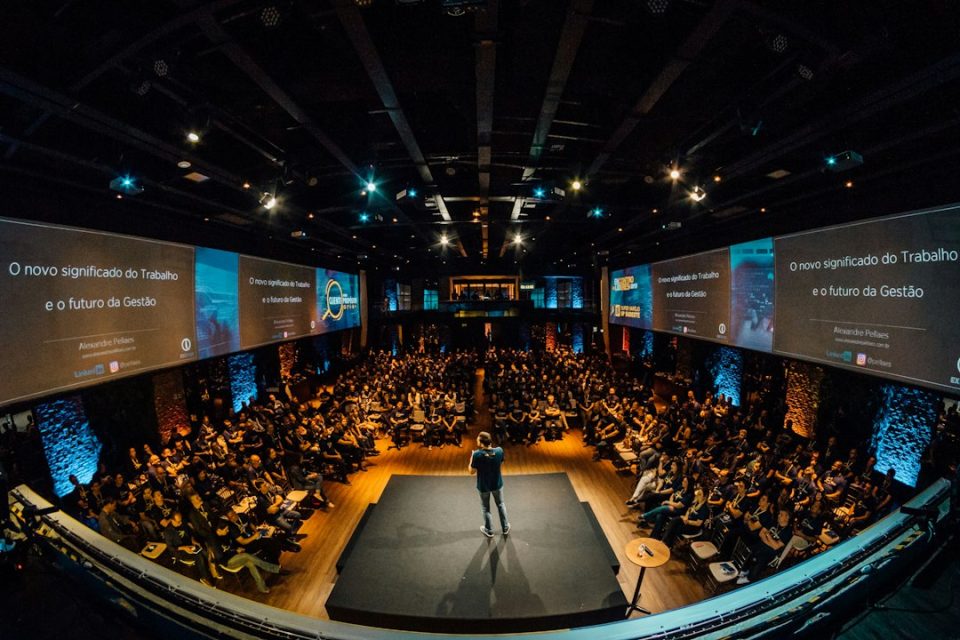
Six themes dominated discussion at Future Food-Tech London: taste, trust, investment, AI, GLP-1 and ultra-processed foods. Over two days food and beverage leaders, investors, scientists and entrepreneurs debated what comes next for the industry and concluded that innovation only matters if consumers accept it.
Food-tech: Taste and human desire still beat technology
Experts warned that the basics of food and drink risk being forgotten amid technological advances: emotion, pleasure and flavour drive repeat purchase. Rasmus Munk, chef and co-owner of Alchemist, said, “Flavour is key and I think that driver needs to come from people with experience within gastronomy.” Jess Spiring, Rethink Global managing director, food and Europe, added that “Tech fails however good it is if people don’t want it on their plates.” Dr Megan Rossi, gut health scientist, dietitian and founder of Bio&Me and Smart Strains, warned bluntly: “If the taste isn’t there, if it tastes like cardboard, it literally will not sell past January.”
GLP-1 drugs force a rethink of portioning, protein and taste
Speakers said GLP-1 drugs are already reshaping markets and will influence product development. Rania Abou Samra, chief R&D and innovation officer at Lesaffre, said manufacturers should focus on “making smaller volume, concentrated with nutrition” to serve consumers on GLP-1s and others. Helen Bass, VP for growth and innovation at Tate & Lyle, noted that “when you’re on GLP-1, studies say about 30% reduction in calories. But when you look at basket changes and value, it’s about 5% or 6%. It doesn’t really correlate.” She also cited research on taste changes: “85% of GLP-1 users self report taste dulling, what they call diminished taste perception. So therefore, it is really important to them that they actually do have some enjoyment.”
Funding mismatch: capital exists but often misses the scale-up stage
Panelists highlighted a widening funding gap in food-tech driven by venture timelines, investor confusion and infrastructure bottlenecks. Experts argued that venture capital should fund learning and commercial risk but not necessarily expensive physical assets. Imran Afzal, CEO at the National Alternative Protein Innovation Centre, said, “Venture should fund the learning and commercial risk. It should not fund the steel insofar as it’s just a really expensive source.” The same point was reiterated by Ali Morrow, partner at Clay Capital.
Ultra-processed food reformulation hits a philosophical wall
Debate over ultra-processed foods (UPF) grew tense as some regulatory economists dismissed reformulation as insufficient. Franco Sassi, professor and director at the Centre for Health Economics and Policy Innovation, Imperial College London, stated: “There is no such a thing as a healthy ultra-processed food. So, forget about the type of reformulation that we have seen.” He argued that “the solution is simplicity. Going back to simpler types of food and formulation.”
Trust, not science, is the bottleneck for health and longevity claims
Speakers said building consumer trust is more important than regulatory approval for driving adoption of new food technologies. Nicholas Robinson, global audience and content editor at Rethink Global, argued: “The biggest challenge facing food and drink tech is trust, not science.” He added: “Approval doesn’t equal trust, launch doesn’t equal belief, and innovation doesn’t equal adoption.” Win Win CEO Mark Golder said educating consumers is hard and recommended instead to explain clearly what companies are trying to do.
AI splits roles between R&D acceleration and unresolved trust risks
Attendees were optimistic about AI’s ability to accelerate R&D, personalise nutrition and help consumers understand their needs, while noting it is not a panacea. Tom Whitehead, head of machine learning at Intellegens, said: “AI is definitely accelerating especially the R&D scale up up to sort of production scale… But it isn’t a magic bullet that solves everything, at least in this sector.” Some experts at the event estimated that up to 25% of consumers’ food choices might soon be driven by AI agents.
The conference repeatedly returned to a central reality: emerging technologies matter only if they deliver taste, affordability, convenience and consumer understanding that win long-term trust and adoption.
