

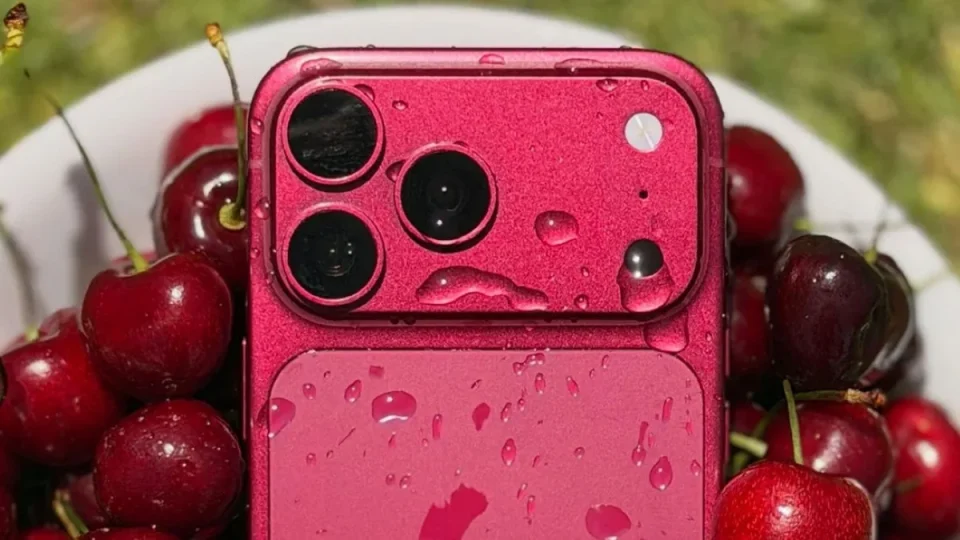
Apple’s iPhone 18 generation is reportedly arriving in two waves: the iPhone 18 Pro and iPhone 18 Pro Max, together with Apple’s first foldable, are expected in September 2026, while the standard iPhone 18, iPhone 18e and a second‑generation iPhone Air are expected to follow in spring 2027. This split launch would concentrate the traditional September attention on the premium models and the foldable, then stagger the rest of the lineup several months later.
iPhone 18 launch schedule
The calendar change matters because it separates Apple’s flagship hardware work from the wider market refresh. Current reporting points to an early September event for the Pro models and the foldable, though no date has been announced. The spring 2027 window would then introduce the standard 18, a lower‑cost 18e and the Air 2, extending the product cycle without releasing every new device at once.
iPhone 18 Pro and Pro Max: expected upgrades
The Pro models are not expected to show a dramatic exterior redesign: reports indicate 6.3‑inch and 6.9‑inch display sizes for the Pro and Pro Max respectively, and a retained triple‑camera layout with a large camera plateau. The hardware changes reported, however, touch the processor, memory, display, camera system, thermal management and battery.
At the chip level, Apple is expected to use the A20 generation, with an A20 Pro built on TSMC’s 2nm process for the Pro models. Reports also point to Wafer‑Level Multi‑Chip Module (WMCM) packaging to place processor and memory in a tighter configuration, improving power efficiency and data movement for on‑device AI. The Pro models are reported to keep 12GB of RAM.
On the front, Apple is reportedly moving some Face ID components beneath the display to create a smaller Dynamic Island, and switching the Pro displays to LTPO+ for improved OLED power management and low‑brightness behavior. Camera upgrades could include a variable‑aperture main lens on at least one Pro model and a wider‑aperture Telephoto lens under consideration. Apple may add more advanced controls in the Camera app while simplifying the Camera Control button toward a pressure‑sensitive implementation.
Connectivity is expected to advance as well, with Apple’s C2 modem widely reported to debut in the Pro phones, potentially improving power efficiency and giving Apple more control over cellular hardware. Some reports suggest Apple could expand satellite connectivity beyond emergency use, though final capabilities remain unclear.
The Pro Max is reported to prioritise endurance: leaked battery capacities put the physical‑SIM version around 5,391mAh and an eSIM configuration around 5,567mAh, increases over the iPhone 17 Pro Max. That larger battery and a beefed‑up thermal system, including a larger vapor chamber, may make the Pro Max thicker and heavier (reports have cited about 240 grams), signaling a shift from extreme thinness toward sustained performance. New color options reported include Dark Cherry, Light Blue, Silver and possibly Dark Gray.
iPhone Ultra: Apple’s first foldable
The foldable — increasingly referred to in reports as the iPhone Ultra, though its final retail name is unconfirmed — is described as a book‑style device with roughly a 5.3–5.5‑inch cover display and a 7.6–7.8‑inch internal screen. Reports suggest an exceptionally thin unfolded profile, with some sources putting it below 5mm, and a titanium frame to meet ambitious engineering targets.
To achieve that thin chassis, Apple may abandon Face ID on the Ultra and place Touch ID in the power button. The camera setup is reported as a 48MP Main and a 48MP Ultra Wide, without the dedicated Telephoto lens found on the Pro models. Software will be important: iOS 27 is reported to include foldable‑specific features such as side‑by‑side apps and other multitasking adjustments for the larger internal display. The Ultra is expected to use the A20 Pro and the C2 modem. Reported starting price estimates put the foldable around $2,000, with some estimates near $2,500, and supply‑chain reports warn Apple may struggle to produce enough units for a conventional launch, possibly delaying retail availability beyond a September announcement.
Spring models: iPhone 18, iPhone 18e and Air 2
The spring 2027 models are less defined but are mapped broadly: the standard iPhone 18 is expected to keep a 6.3‑inch screen, the iPhone 18e is positioned as the entry model with a 6.1‑inch display, and the second‑generation iPhone Air could arrive alongside them. Reports indicate the standard iPhone 18 will use the A20 chip on the same 2nm process but not the full A20 Pro configuration.
Memory reports are contradictory: earlier leaks suggested lower RAM for the standard model, while a newer analyst report claims it could receive 12GB, bringing it closer to Pro memory levels; this remains unconfirmed. The Air 2 is reported to be a stronger proposition than the first Air, with a second rear camera likely an Ultra Wide, the A20 Pro, 12GB of RAM, a larger battery roughly 3,500mAh and a vapor chamber — combining thin Air styling with more capable silicon and cooling. Some reports also suggest Air 2 could receive the smaller Dynamic Island and the C2 modem, though these details are less established.
What the iPhone 18 series means for buyers
If reports hold, the iPhone 18 generation will no longer present a single obvious ‘best’ iPhone for every buyer. The September models would carry the high‑end hardware story — A20 Pro silicon, camera and display advances, and Apple’s first foldable — while the spring models round out the lineup with a cheaper 18e, a potentially better‑equipped standard 18 and a substantially upgraded Air 2. For photography buyers, the Pro phones look safest if variable aperture and wider Telephoto aperture reach production. The Pro Max appears aimed at users prioritising battery and sustained performance, while the Ultra targets those wanting a large foldable display and multitasking more than the most complete conventional camera system.
Key uncertainties remain around final pricing, exact RAM configurations for the spring models, regional modem variants, the foldable’s final name and which reported camera and display technologies will reach production. The consistent picture is a six‑device generation spread across two launch windows, with September 2026 focused on premium hardware and spring 2027 filling out the broader market.
