

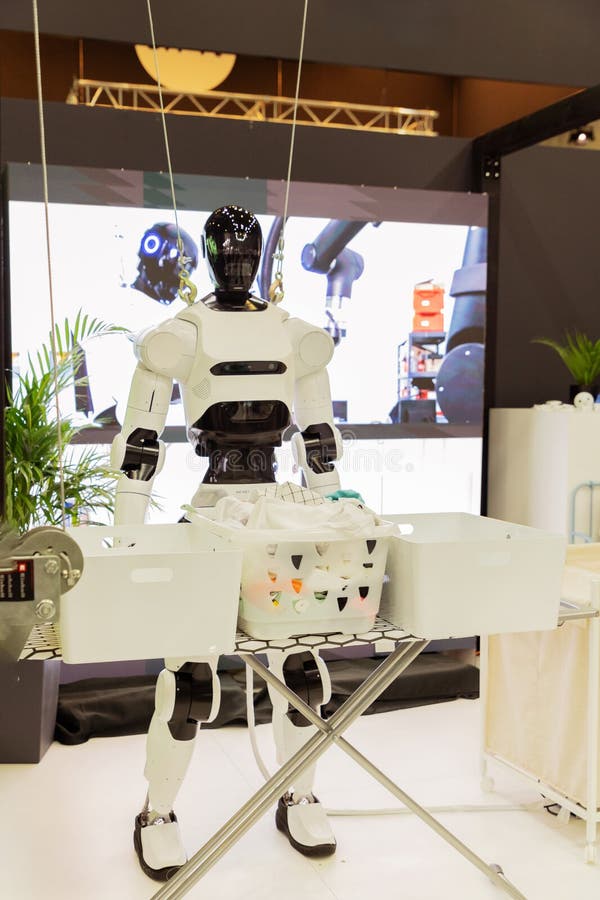
US authorities have announced a ban on importing certain foreign humanoid robots and power inverters, citing national security risks and effectively targeting China, which dominates the market. The Federal Communications Commission (FCC) said the restriction also covers quadrupedal robots and applies to “new versions” of these devices.
Scope and targeted products
The FCC framed the import controls as responses to cybersecurity risks and supply‑chain vulnerabilities when production is outsourced. Beyond humanoid robots, the list explicitly includes robotic quadrupeds (often called “robot dogs”) and power inverters—critical components for renewable energy systems, data centers and household devices.
Rationale and wording of the ban
FCC Chair Brendan Carr said the move is intended to “secure the United States’ critical supply chains.” The agency emphasized the restriction focuses on “new versions” of imported products but did not publish technical criteria or an exhaustive list of affected manufacturers in its initial statement.
Commercial and geopolitical context
The decision arrives amid ongoing trade tensions with China and is part of a broader U.S. pattern of limiting access to Chinese technologies—from drones to advanced export controls. It also comes ahead of Chinese leader Xi Jinping’s planned U.S. visit in September, making it a potential point of diplomatic friction.
Reactions from Beijing
Beijing condemned the measure, accusing Washington of overextending national security claims to “suppress” Chinese companies. Ministry of Foreign Affairs spokeswoman Mao Ning warned that China would take “all necessary measures” to protect the interests of its firms and cautioned against protectionism.
State of the humanoid robot market
The article notes China holds roughly an 85% share of the humanoid robot market. In 2025, about 15,000 humanoid robots were shipped globally; Chinese manufacturers Unitree and AGIBOT reportedly each shipped over 5,000 units, while U.S. players such as Tesla and Figure AI shipped “a few hundred or fewer,” according to Omdia. Morgan Stanley projects the Chinese humanoid market could reach $15 billion by 2030.
Expert analysis and economic implications
Analysts say the ban shields the U.S. market from intensified price competition and perceived risks but is unlikely to significantly slow China’s humanoid robot development given its manufacturing base and alternative export markets. Samm Sacks, a China technology policy researcher, described the move as another “point of tension” ahead of the Trump‑Xi summit. Omdia analyst Lian Jye Su warned the restriction could complicate existing cross‑border collaborations, citing cases such as Unitree chassis used in projects disclosed by Nvidia.
Outstanding questions and next steps
The public statement does not list all targeted manufacturers or spell out how the ban will be enforced for shipments already underway. The FCC also referenced recent U.S. listings of certain Chinese firms, including Unitree, in connection with activities tied to military interests—an allegation Beijing disputes.
The measure underscores U.S. intent to tighten controls over sensitive technology flows, while raising immediate industrial and diplomatic questions. The ultimate impact on supply chains will depend on forthcoming clarifications from the FCC and other agencies in the coming weeks.
