

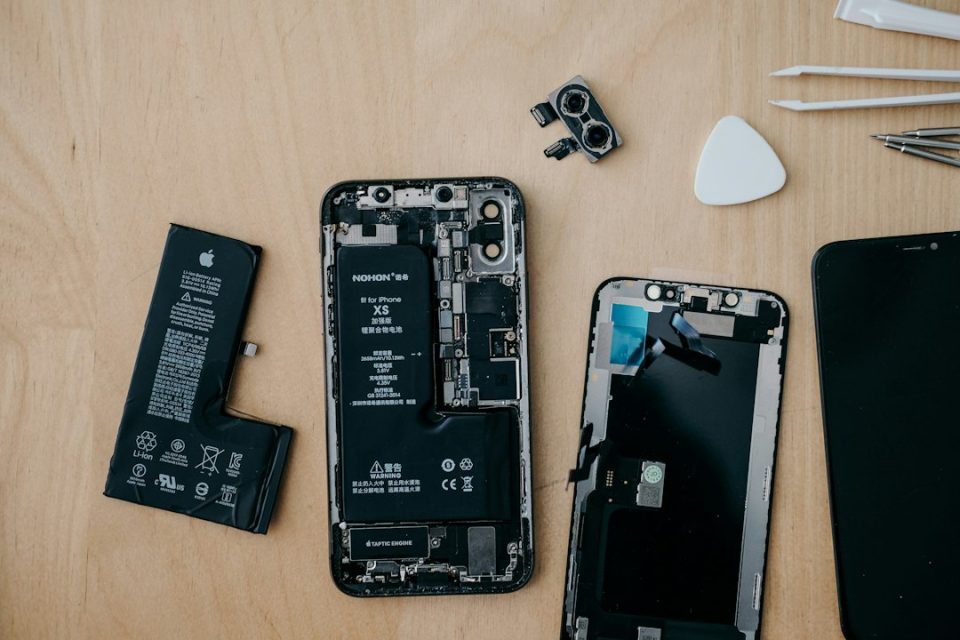
Phones break, and for flagships costing more than $1,000 the general pattern is clear: Android users tend to pay less in repair costs than Apple users. While manufacturers offer insurance plans such as AppleCare+ and Samsung Care+, for people not covered by these plans repair bills are often higher on Apple devices. Apple charges a higher premium for repairs and commonly places software-related barriers on aftermarket parts; Android manufacturers place fewer barriers, which helps reduce repair costs.
Repair costs by component
The comparison focuses on three commonly replaced parts—screen, back glass and battery—because these are the components people bring to service centers most often. Across these categories, Apple’s higher repair premiums and restrictions on third-party parts tend to increase the out-of-warranty expense for the iPhone 18 Pro Max. By contrast, the Google Pixel 11 Pro XL and the Samsung Galaxy S26 Ultra face fewer software and parts barriers, which generally lowers repair costs for Android flagships.
Which phones were compared
The assessment examines the current major flagships explicitly named: the iPhone 18 Pro Max, the Google Pixel 11 Pro XL and the Samsung Galaxy S26 Ultra. It reviews screen, back glass and battery repairs for those models to illustrate how repair costs can vary between Apple and Android ecosystems.
Repairability, warranty coverage and manufacturer policies are the key drivers behind these differences. For owners who aren’t on manufacturer insurance plans, the choice of ecosystem influences likely repair bills because of price premiums and the relative ease or difficulty of using aftermarket parts and independent repair services.
