

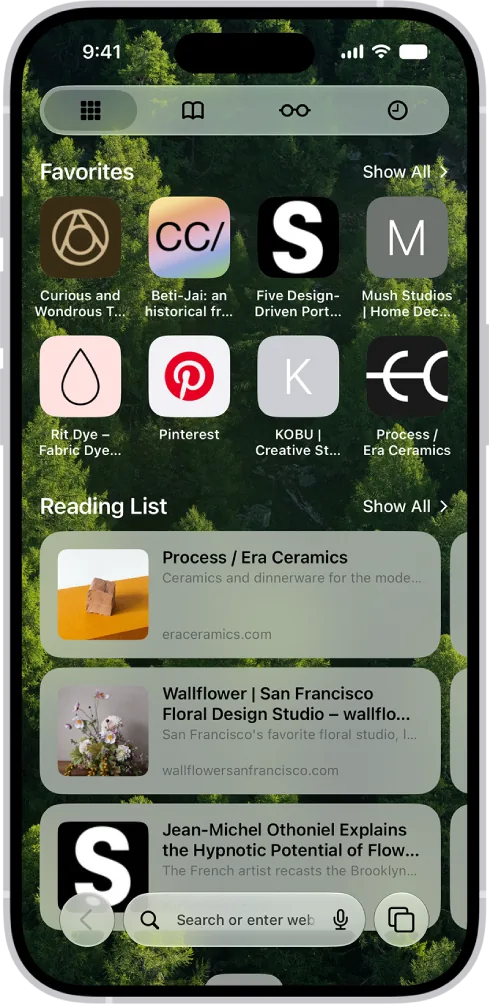
Apple is exploring changes to Safari on the iPhone Duo that would let websites use more of the device’s outer display, but the company has not yet settled on an approach.
Safari and the iPhone Duo outer display
The core challenge is allowing pages to occupy the area beneath Safari’s side-mounted controls without making parts of a website inaccessible. In a Friday, October 23 WebKit post, Apple’s Jen Simmons noted that an existing web setting could enable this, but Apple’s research suggests many sites would not handle it correctly.
That setting, viewport-fit=”cover”, lets a webpage expand into areas that would otherwise be reserved for the interface. Developers must then leave sufficient space around important content so it is not covered by controls; according to Simmons, many sites fail to make those allowances on every edge.
Apple is investigating whether an alternative approach could give developers more control while reducing the risk of obscured content. For example, a header’s background could span the full screen while navigation links stay within the unobstructed portion of the display.
Currently, Safari 27.1 restricts webpages to the area beside the controls and uses the page’s background color to fill the remaining strip, which limits the width available for content on the outer display. That arrangement reflects the screen’s proportions: Apple placed controls along the side because the outer display is shorter and wider than other iPhone screens, preserving more height for apps and webpages.
Developer tools and experimental features
Separately, Safari 27.1 adds automatic two-page PDF viewing when the iPhone Duo is held partially folded like a book; flattening or closing the device returns the document to a single-page view. Developers can also test experimental support for detecting the screen’s folding posture and positioning content around the device’s middle fold. Those capabilities are available behind Safari feature flags, while the proposed change to content beneath the controls remains under investigation.
