

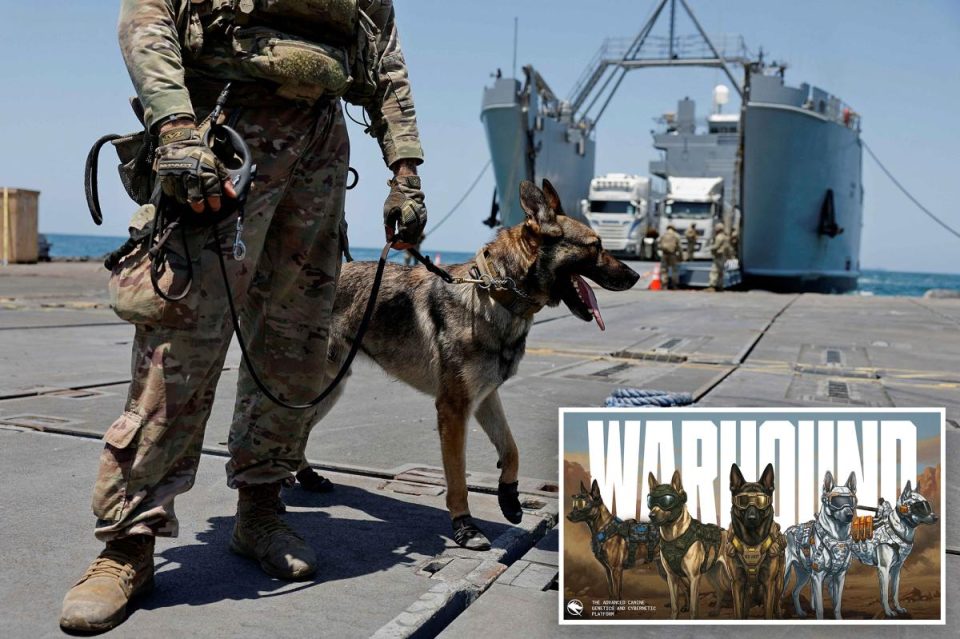
Warhound, a Texas-based startup backed by Silicon Valley investors, has launched with $200 million to clone and genetically engineer dogs for the US military, police and first responders. The company, conceived by Palmer Luckey and Ben Lamm, aims to produce cloned and genetically modified working dogs to reduce health problems and potentially enhance physical and sensory abilities.
Warhound has reached a reported $1.2 billion valuation despite not yet producing a genetically modified puppy. The firm says it has already obtained blood samples from elite dogs used by armed forces, law enforcement and first responders and plans to bank DNA from top-performing animals. The company expects its first genetically engineered puppies to be born in early 2027.
Warhound’s cloning and genetic goals
Warhound plans to clone America’s most elite military and police dogs — “mostly Belgian Malinois, some labs, and some shepherds,” Lamm said — then use genetic engineering to address ailments such as hip dysplasia and to pursue longer-term enhancements. Lamm said initial modifications will target health problems and that the company may eventually move into “really interesting things,” including potentially inserting olfactory receptor genes from wolves to “enhance” the animals’ sense of smell.
The startup is led by David Spirk, a former Pentagon chief data officer who later worked at Palantir. Ben Lamm sits on the board; Palmer Luckey and Ben Lamm conceived the venture, though neither Luckey nor Lamm will oversee daily operations. Colossal Biosciences owns a stake in Warhound; Lamm said Luckey and Anduril hold no equity.
Technology, investors and domestic supply
Warhound says it will pair cloning and genetics with equipment derived from Anduril, including protective armor, sensors, software and battlefield situational-awareness systems. Company materials describe use of “Anduril’s advanced cybernetic Augments, software, and battlefield situational awareness,” and Lamm emphasized that the planned technology would involve equipment worn by the animals rather than surgically implanted electronics. He cited “advanced body armor” as an example and declined to comment on whether the company might produce dogs outfitted with lasers, saying, “I can’t comment on what Anduril plans.”
Investors in the startup include Sequoia Capital, ARK Invest and In-Q-Tel. Warhound says it hopes to reduce reliance on European breeders for military working dogs by creating a domestic supply of genetically improved animals for the Pentagon, police departments and emergency responders.
Scientific hurdles and animal welfare concerns
The venture faces significant scientific and ethical challenges. While dogs have been cloned and genetically modified, producing animals with reliably superior abilities without introducing new health problems remains unproven. Warhound’s proposed improvements in scent detection, physical performance and health have yet to be demonstrated, and cloning carries reproductive challenges.
The project has already drawn controversy in related work: Colossal previously unveiled genetically engineered animals it described as resurrected dire wolves, a claim disputed by scientists. Warhound acknowledges animal-welfare questions and says it will operate under the guidance of the American Humane Society. “We applaud Warhound and Colossal for inviting the country’s first national humane organization, which is grounded in science and ethics, to have a seat at the table. We look forward to working with them to help ensure the animals in their care are treated humanely,” the American Humane Society said in a statement.
Lamm framed the venture with a superhero analogy used by others: “Someone said, ‘So it’s like the Captain America dog program with the Iron Man tech program on top of it’,” he said. He added that the mission is “Dog safety and performance, and then helping continue helping to improve the human handler and dog bond, and working as a team — that is what the mission is.”
