

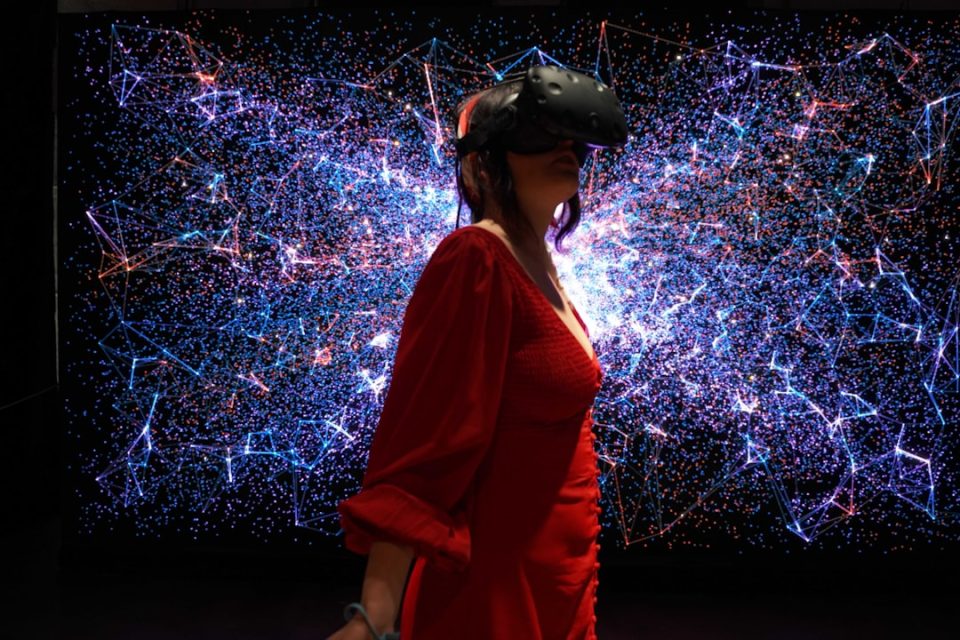
The convergence of artificial intelligence, augmented reality (AR) and virtual reality (VR) is shaping new ways to work, learn, shop and interact with the digital world in 2026. AR and VR trends to watch this year emphasize smarter, more immersive, and user‑centered experiences.
TRENDS IN AR AND VR TO WATCH IN 2026
The trends outlined here move along two clear axes: embedding AI into AR experiences and the maturation of immersive VR workspaces. Together, they steer usage toward more natural, contextual interactions across professional, educational and commercial domains.
AI at the Heart of AR
AI amplifies the value of augmented reality by making digital overlays more relevant and adaptive. In practice, AI analyzes context — the scene, user behavior and real‑time data — to surface personalized, useful information. The expected outcome is a less intrusive, more effective AR: intelligent annotations, contextual recommendations and real‑time visual assistance become standard features rather than curiosities.
VR Workspaces: Toward Truly Immersive Interaction
VR is positioning itself as a viable environment for collaboration when it delivers immersion convincing enough to replace some physical meetups. The VR workspaces highlighted in 2026 aim to provide seamless continuity of activity — meetings, prototyping, training — within shared environments where presence and interaction are simulated through avatars and virtual tools. The challenge is achieving ergonomics and fluidity that make these spaces practical for everyday use, beyond the novelty factor.
Impacts on Education, Commerce and Social Interaction
The pairing of AI, AR and VR has cross‑cutting implications. In education, these technologies can make content more tangible and adaptive, enabling interactive learning paths. In commerce, they allow customers to visualize products in real or virtual contexts, improving purchase decisions. Socially, rising immersion raises questions around ergonomics, ethics and usage — experiences must be helpful without being intrusive.
What This Means for Users
For users, AR and VR trends in 2026 translate into smarter interfaces and experiences more seamlessly integrated into daily life. Adoption will hinge on solutions delivering tangible benefits — time savings, clearer understanding, better collaboration — while remaining easy to use. The quality of the AI and the relevance of AR/VR content will be decisive in driving widespread uptake.
