

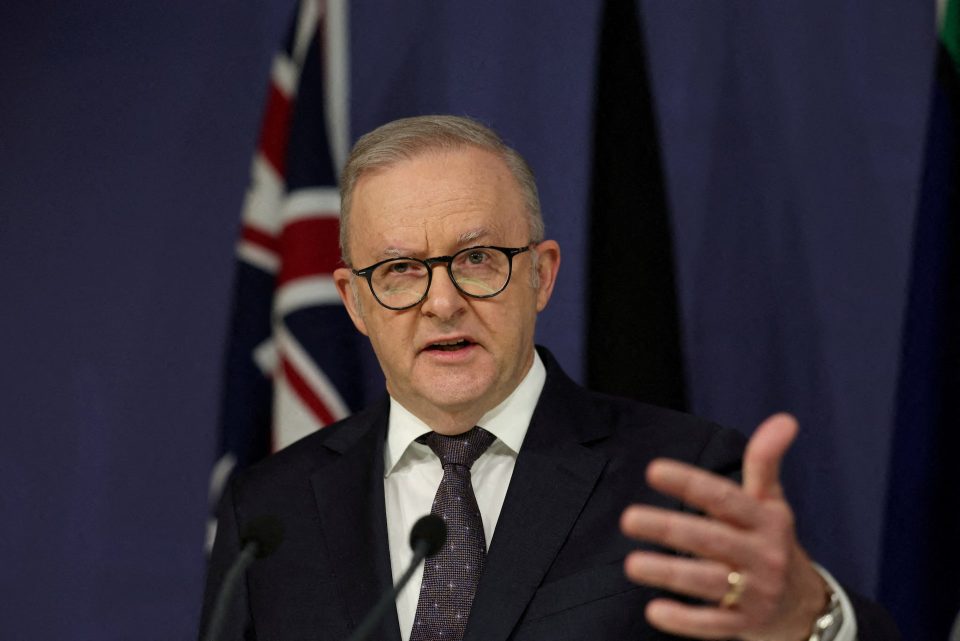
Prime Minister Anthony Albanese has drawn a clear line: Australian creators’ copyrights will not be sacrificed to advance AI development. In a speech at the University of Sydney on July 15, he announced the creation of an Office of AI and the development of Australian AI standards, while stressing that books, music, artwork and news articles should not be used to train AI systems without rights‑holder consent and compensation.
Albanese’s firm stance on copyright and AI
Albanese reiterated that “what is produced in Australia is not up for grabs” and warned that “anything less [than artists’ control] is theft.” He said artists must retain ownership, control and pricing rights for their work — principles he expects to enshrine in law. The speech was intended to reassure the public and creators as Australia builds a proactive governance framework for AI.
Measures announced: Office of AI and national standards
Key measures include establishing an Office of AI to coordinate the creation of new Australian standards. Those standards will address issues such as data‑centre requirements — reducing water consumption and ensuring energy supply or guarantees — and are expected to frame broader responsible AI deployment across Australia. The Office of AI is also envisioned by creative‑sector stakeholders as a platform to facilitate negotiations between industry and rights holders.
Responses from music and media organisations
Major creator organisations welcomed the government’s position. Annabelle Herd, CEO of ARIA, read Albanese’s remarks as a signal to AI companies: “It’s time to move to licensing.” Dean Ormston of APRA AMCOS reiterated that AI development must go hand in hand with respect for creators’ rights, emphasizing the need for permission and payment. AMPAL underscored that “copyright is not negotiable” and expressed readiness to negotiate fair licences.
The Association of Artist Managers also praised the announcement, while noting it will continue to advocate on social and cultural implications — particularly Indigenous cultural intellectual property and musical identity.
A clear call for negotiation and transparency
These organisations are now pushing to translate political assurances into concrete deals: industry‑to‑industry negotiations, assessment of platform compensation proposals, and the establishment of voluntary, transparent and remunerative licensing frameworks. They view the Office of AI as an opportunity to ensure creative works are treated as a national asset to be preserved, not a low‑cost input.
Albanese’s declaration follows artist mobilisations in Canberra opposing any text‑and‑data‑mining exception in copyright law, and answers concerns that AI companies might try to train models without obtaining permissions.
Precise legal mechanisms and future licence terms remain to be defined: the government has set out principles and designated bodies to turn them into standards and operational agreements. For creators and their representatives, the trajectory is now clear: stronger legal protection and negotiations aimed at securing fair licences.
