

Alibaba Group, through its chip-design unit T-Head, announced at the World AI Conference in Shanghai that it is open-sourcing SAIL, the proprietary software stack that supports its Zhenwu processors. The company says the full technical stack will be made available to international developers immediately, aiming to simplify adoption of its hardware.
SAIL opened to accelerate Zhenwu adoption
T-Head describes SAIL as the core software architecture for Zhenwu chips and says the code will be freely accessible to developers worldwide. According to the announcement, programmers can adapt the SAIL stack to common AI frameworks in under seven days — a claim intended to shorten the integration cycle for teams that want to run workloads on Alibaba’s silicon.
A direct challenge to Nvidia’s CUDA ecosystem
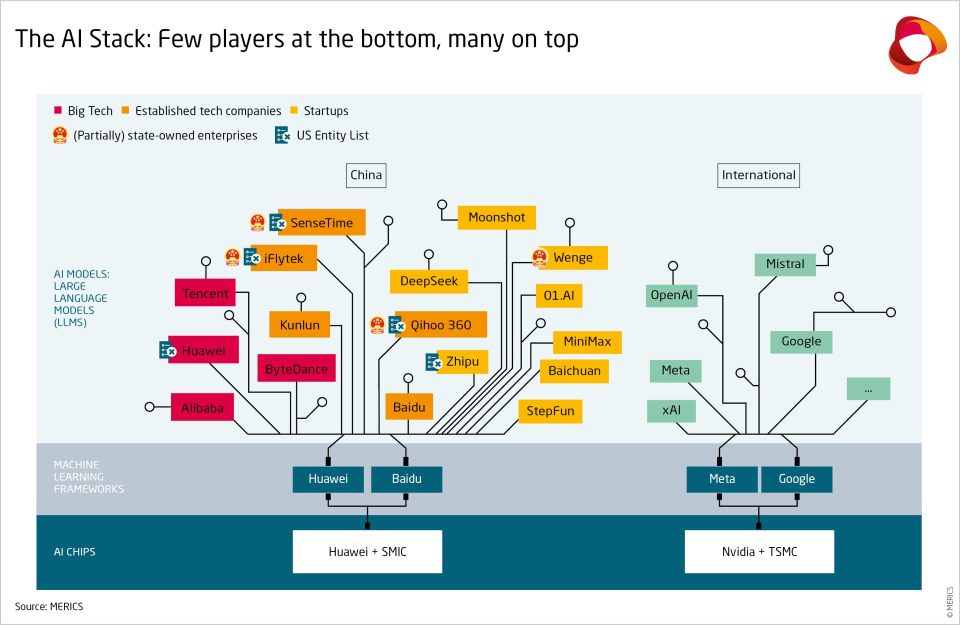
The move is part of a broader push: several Chinese players, including Huawei and Moore Threads, are promoting open software ecosystems as alternatives to Nvidia’s CUDA toolkit, which today dominates GPU programming and effectively locks many developers into Nvidia hardware. Making SAIL open source is explicitly positioned as a competitive option to reduce that dependency.
Context: a trend among Chinese chipmakers
This approach is not unprecedented in China. In 2025, Huawei open-sourced CANN, the software platform for its Ascend processors. Alibaba’s initiative continues a trend in which chip designers build software ecosystems to accompany their hardware.
What it means for developers and the industry
Open-sourcing SAIL could lower technical and commercial barriers for developers targeting Zhenwu chips, especially internationally. By releasing the stack, T-Head hopes to improve application portability and foster an ecosystem of tools and community contributions around its architecture. In the short term, however, impact will hinge on real-world community adoption and effective interoperability with dominant AI frameworks.
T-Head’s announcement underscores a growing software-first strategy aimed at creating credible alternatives to Nvidia’s dominance in AI development. Whether SAIL can attract enough support to meaningfully shift market dynamics remains to be seen.
