

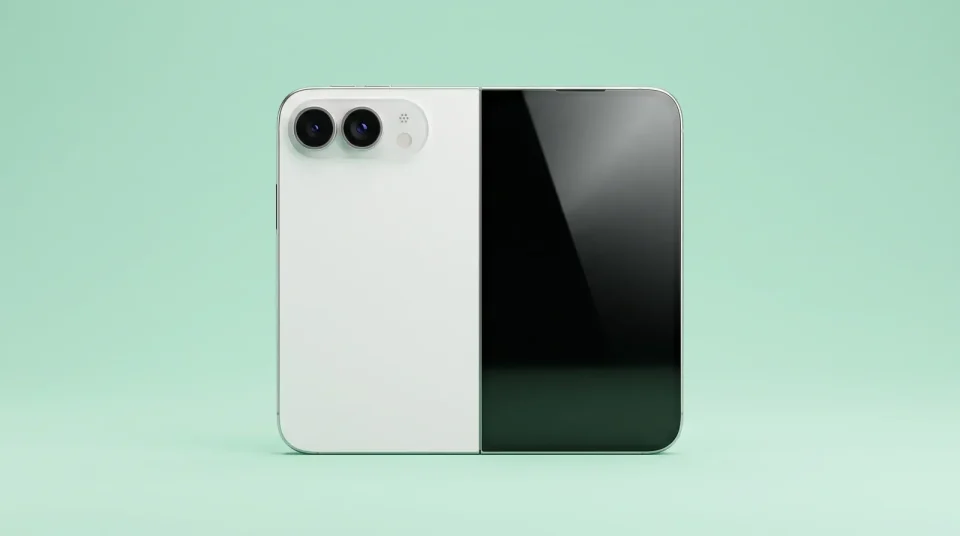
Apple surprised expectations by naming its first foldable iPhone the iPhone Duo rather than an obvious label like iPhone Fold or iPhone Ultra. The name does not describe the folding mechanism; it describes the relationship between the two screens and the value Apple believes that relationship will deliver to users. By avoiding nomenclature tied to existing iPhone lines, Apple has deliberately framed the product around an experience rather than an engineering feat.
Since 2019, Samsung has named its Galaxy foldables after what they physically do: the Fold folds, the Flip flips, the TriFold folds multiple times. Those names accurately describe hardware innovations but also invite direct comparisons with competing designs, including Apple’s new product.
Choosing the iPhone Duo lets Apple separate the device from prior comparisons. When reviewers place the Galaxy Z Fold 8 and the iPhone Duo side by side, the debate shifts from fold versus fold to Duo versus everything else. Even though both devices are book-style foldables, the name positions Apple’s entry in a different mental category.
iPhone Duo reframes the foldable conversation
Apple’s naming echoes the experience-first argument used for Microsoft’s short-lived Surface Duo, which was marketed as a device built for productivity across two panels simultaneously. Microsoft faltered because it didn’t have the base downstream. Apple, by contrast, can reach new and existing customers through an installed base of more than a billion devices, a substantial global retail network where employees can demonstrate the product, and a brand reputation that will encourage people to try the Duo simply because Apple sells it.
That reframing makes the buying journey easier for consumers who have never considered a foldable phone. A device called the Fold can trigger a research path focused on folding mechanisms, hinge durability and crease visibility; the Duo instead prompts questions about how two screens on a phone might make daily life easier. Presenting the product as a new way to use a phone rather than as a hardware innovation should be more palatable to the mass market.
This narrative shift matters at a pivotal moment for the category, which is expected to grow by double digits in the coming years. Most enthusiasts and early adopters have already moved to foldables; the next wave will come from buyers who have not considered leaving conventional phones behind. These buyers will encounter Samsung’s and Apple’s devices without prior context, and the name they first encounter will shape their instinct.
The mobile device market is cutthroat and engineering prowess alone is not enough. Samsung’s foldables remain stronger than the iPhone Duo in several respects: they have eight generations of manufacturing refinement, a proven track record of durability and a more mature software experience. What Samsung’s lineup lacks, according to Apple’s approach, is a name that explains why those engineering advantages matter to someone who has never thought about foldables before.
