

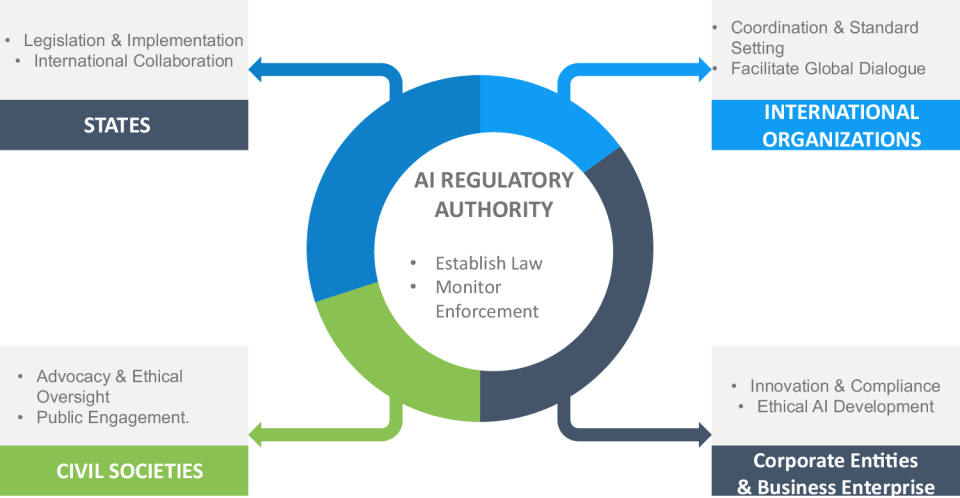
At the opening ceremony of the World Artificial Intelligence Conference (WAIC) 2026 in Shanghai, Chinese President Xi Jinping unveiled a set of proposals aimed at rebooting global AI governance. At the center of his remarks were pragmatic measures — notably stepped-up capacity building in developing countries and a proposal to establish a “World AI Cooperation Organization” — moves several international officials and experts hailed as a fresh push toward a more inclusive global framework.
An emphasis on benefit‑sharing and capacity‑building
Xi stressed that the benefits of artificial intelligence must be shared by all countries, with special attention to developing nations at risk of being left behind. Sengdeun Sayasone, vice‑president of the Laos‑China Cooperation Committee, called the proposals “a deeply strategic vision” and framed them as part of China’s responsibilities as a global power. John Tshinseki, president of the Zambia Cyber Security Initiative Foundation, said the address answered long‑standing appeals for an international mobilization to ensure AI better serves humanity.
These interventions point to an operational objective: narrowing the digital and “smart” divide to prevent technological inequalities from widening global competitiveness gaps. Xi’s proposal reinforces the priority of inclusive development in current debates on AI governance.
Institutionalizing a global consensus
A flagship element of the speech was the proposal to create the World AI Cooperation Organization, intended to provide an institutional anchor for international efforts. Ondrej Dostal, a member of the European Parliament, argued that a centralized body could counter today’s fragmented approaches that impede international regulation. He said such an organization would help craft universal standards and provide a platform for cooperation among leading experts.
The idea addresses a recurring critique: the lack of a coherent global framework to govern the development and deployment of high‑impact AI technologies. The proposal emphasizes governance based on consensus and broader state representation.
International reactions: cooperation and risk management
Officials from a range of countries welcomed the collaborative thrust of the speech. Vince Henderson, foreign minister of Dominica, said the international community needed this kind of leadership to manage the “multiform” risks associated with AI deployment. Several speakers reiterated the need to bring governments and the private sector together to set ethical standards, protect privacy, and ensure technological security.
The scientific and professional communities also reacted positively: Turing Award laureate Gilles Brassard described the address as “inspiring,” highlighting the importance of cooperation across AI and other research domains. Tatiana Schmollack of the British Standards Institution emphasized equal participation by Global South countries in rule‑making, and Max Mühlhäuser of the Technical University of Darmstadt warned that AI combines “major opportunities” with “immense risks,” making effective governance indispensable.
The signing of an agreement at WAIC to create the World AI Cooperation Organization signals an intent to translate these proposals into coordinated action. By opening the door to institutional cooperation and targeted capacity‑building efforts, the initiative aims to advance a more coordinated, inclusive approach to global AI governance.
