

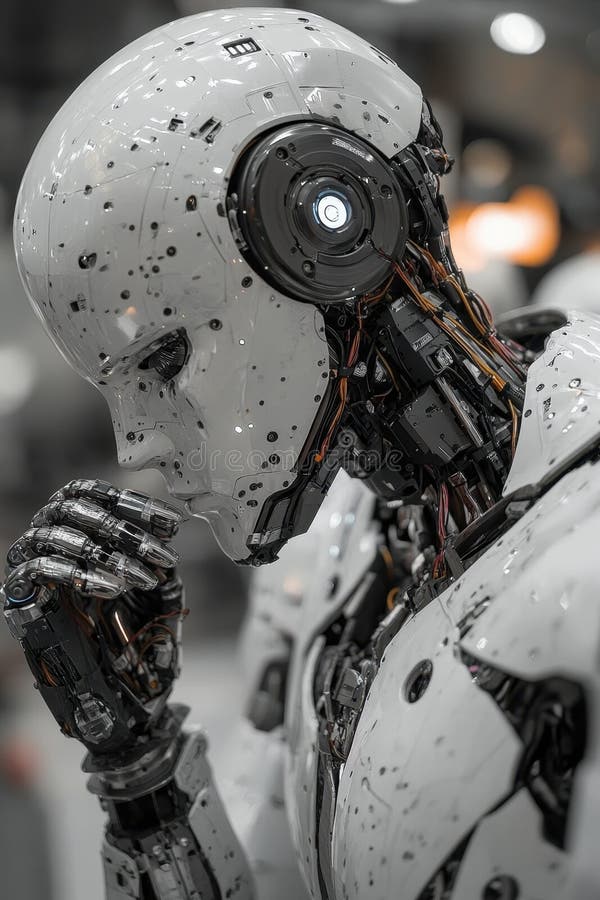
U.S. authorities have announced a ban on imports of “new versions” of humanoid and quadruped robots, as well as certain power inverters, saying these devices pose risks to national security and to the resilience of critical supply chains. The measure, driven by the Federal Communications Commission (FCC), targets primarily foreign-made hardware — a move that directly affects China, which dominates this market.
A targeted ban on “new versions”
The FCC said the prohibition applies to imports of “new versions” of humanoid robots and quadruped robots, along with certain power inverters used in renewable energy systems, data centers, and consumer devices. FCC Chair Brendan Carr said the action is meant to “secure America’s critical supply chains,” citing both cybersecurity risks and vulnerabilities to offshore disruptions.
A China-dominated market, but targeted effects
China controls a large share of the global humanoid-robot market — roughly 85% by some estimates — and has accelerated production while driving down costs. In 2025, about 15,000 humanoid robots were shipped worldwide: Unitree and AGIBOT, two major Chinese players, each shipped more than 5,000 units, while U.S. companies such as Tesla and Figure AI delivered only a few hundred units, according to research firm Omdia. Analysts estimate China’s humanoid market could reach $15 billion by 2030.
Diplomatic backlash and accusations of protectionism
Beijing accused the United States of overusing national-security justifications to curb Chinese companies. Mao Ning, spokesperson for China’s Foreign Ministry, said China would take “all necessary measures” to defend the interests of its firms and warned that protectionism would ultimately hurt American consumers and businesses. Observers say the decision risks increasing tensions ahead of the planned meeting between Presidents Xi Jinping and Donald Trump in September.
Industry impact and implications for technical cooperation
Restrictions on inverters could have broader implications given their role in electrical infrastructure and renewable systems, though analysts note the immediate impact on the U.S. market may be limited: the measure does not appear to affect devices already in service or models previously approved for sale. Concerns remain about the repercussions for cross-border technical collaboration — Nvidia, for example, recently demonstrated a humanoid-robot reference design built on a chassis from Chinese manufacturer Unitree. Separately, the Pentagon has placed Unitree and other Chinese firms on a list of companies deemed to have links to the Chinese military, an allegation Beijing rejects.
A test for U.S.–China relations
Analysts and officials see this decision as another episode in a series of successive restrictions the U.S. has imposed on Chinese technology and sensitive goods in recent years — a development that further tests already strained U.S.–China relations and could complicate high-level diplomatic engagements, including the upcoming Xi–Trump meeting.
