

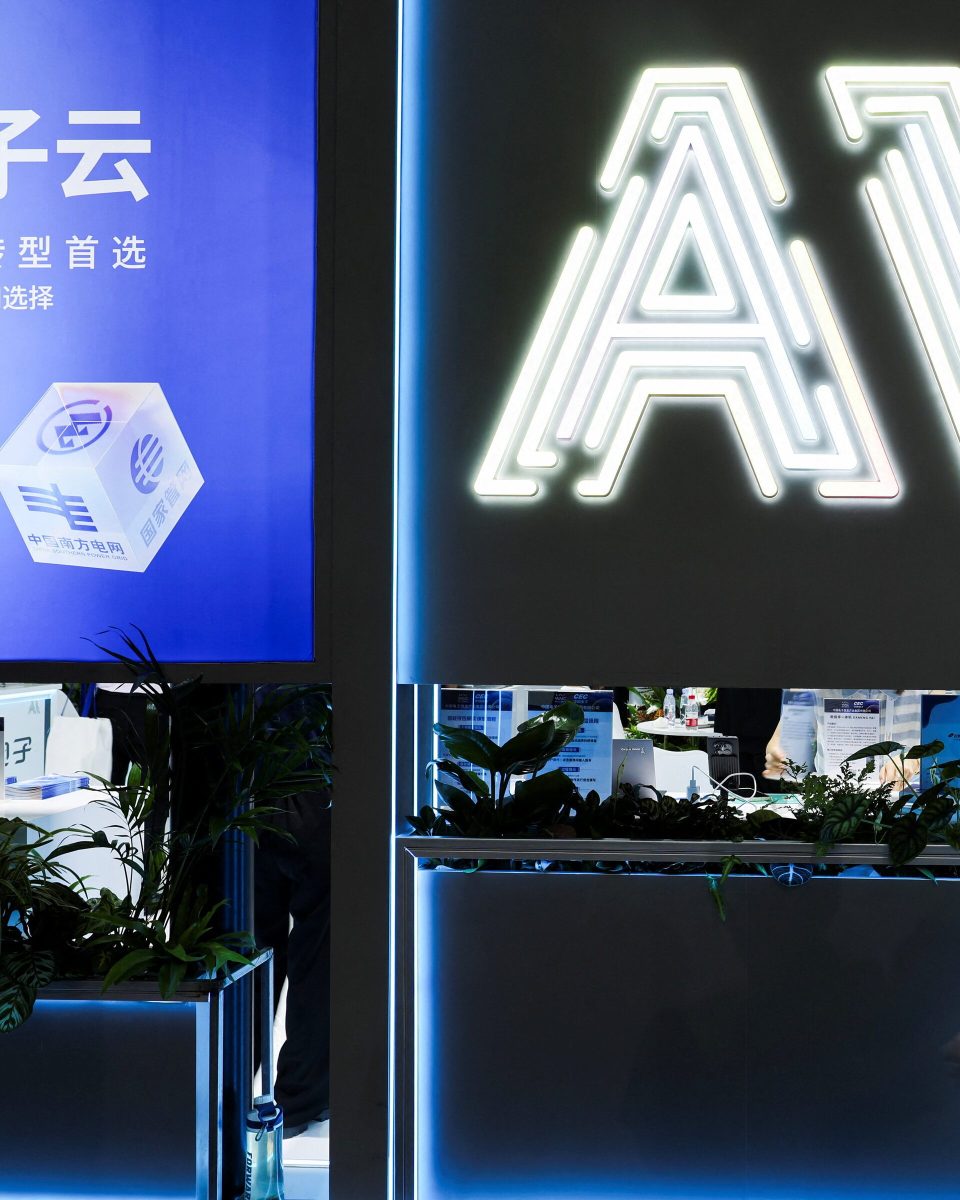
China Southern Power Grid (CSG) unveiled a suite of AI-driven innovations for power systems, decarbonization and compute infrastructure at the World AI Conference and the High-Level Meeting on Global AI Governance in Shanghai. The centerpiece was MegaWatt Yunrui, an AI-native distribution network planning agent that produced a complete planning report—including risk assessment and topology recommendations—in ten minutes. The demonstration earned MegaWatt Yunrui a spot among the ten “Signature Exhibits” of the event and made it the only project from a central state-owned enterprise to receive that distinction.
China Southern Power Grid and the “electricity–carbon–compute” strategy
CSG says it has brought together three domains that are often developed independently—electricity, carbon management and compute capacity—to build what it describes as the country’s “first industry-level coordination platform.” That positioning comes as Beijing elevates the strategic importance of coordinating compute infrastructure with power systems: for the first time, such coordination was mentioned in China’s 2026 Government Work Report, highlighting the convergence as a national energy-security priority.
MegaWatt Yunrui: accelerated distribution planning
Built as an “AI-native” agent, MegaWatt Yunrui was demonstrated live generating a full distribution network planning report in ten minutes, covering risk analysis and topology recommendations. According to CSG, the agent leverages sector-specific models and data to automate design and evaluation workflows that traditionally require much longer timeframes.
A proprietary technology stack for tomorrow’s grids
At the core of CSG’s platform is MegaWatt Multimodal 2.0, positioned as a sector-specific foundation model for the power industry. Complementing the model layer is PowerAtomOS, a unified operating system for grid-connected devices designed to provide connectivity and centralized management for “hundreds of millions” of assets. CSG frames this as an end-to-end proprietary stack spanning compute infrastructure, industry models, AI agents and field devices.
