

Chinese AI is likely to remain both open and partially proprietary: political and industry signals point to a hybrid strategy in which tools, research, and components are widely shared while cutting‑edge models may be retained as strategic assets.
A cautious presidential address and an intentionally vague formula
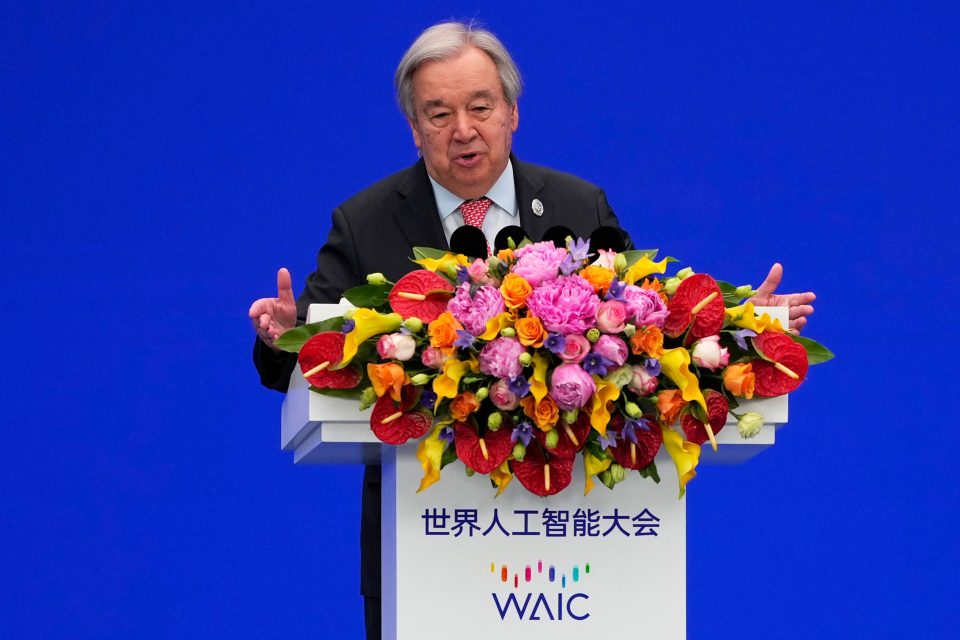
At a major AI forum, China’s president advocated “openness and open‑source” as a general principle. But the wording — a broad political phrase already used in official documents — did not specify that labs must publish the weights of their most advanced models. In other words, the call for openness appears aimed at the broader technology ecosystem (research, tooling, datasets, chip architectures) rather than imposing an unconditional obligation to release frontier models.
Mixed signals from industry
On the ground, behavior is heterogeneous. Several recent startups have announced open‑source models, and others continue to publish elements useful to the community. Yet influential players are keeping certain products proprietary: some labs have begun to withhold the weights of their latest models, and major companies alternate between openness and closure depending on the product line. One publicly discussed example involves an earlier version of a large model being released, a subsequent iteration made proprietary, and then a later update promoted again as open‑source.
Even within teams, views diverge: research groups favor openness to accelerate innovation, while commercial functions push for closed offerings to protect revenue. Firms often split the difference by open‑sourcing some models or components while keeping flagship products closed, particularly in image and video generation.
Language and definitions: “open‑source” is not unambiguous
The term “open‑source” is used more broadly in Chinese discourse than in the West. Where foreign experts distinguish “open‑weights” (public model weights) from other elements, the Chinese vocabulary spans several domains — software, data, architectures, and research practices. This semantic flexibility allows authorities and companies to promote openness on one level while reserving the option to keep certain critical components under control.
Strategic reasons for a mixed policy
The coexistence of openness and closure reflects complementary logics. Openness promotes international adoption, the diffusion of a national technology base, and soft power; closure protects… [original text cuts off]
