

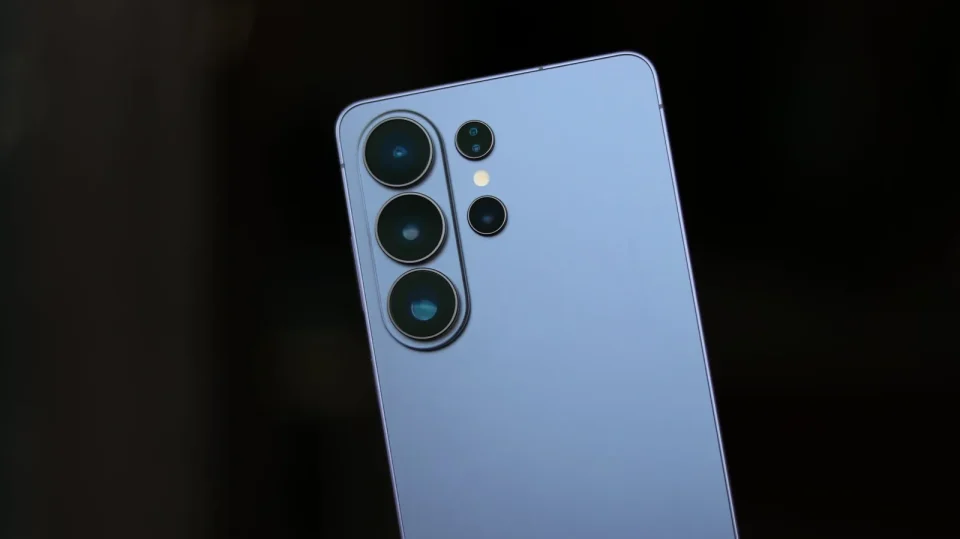
Samsung will let its mobile division absorb pain from surging memory chip prices, reportedly cutting Q4 2026 smartphone production by as much as 30% while its semiconductor arm posts record profits. The exponential rise in memory chip prices has driven record earnings for Samsung, and the company is projecting over $80 billion in operating profit for Q3 2026.
Samsung’s memory bonanza vs mobile losses
The mobile division is already on track for an annual loss this year despite repeated price hikes on existing devices and higher prices for new phones. Samsung does not give its mobile unit preferential pricing for memory chips from its semiconductor division, leaving the phone business fully exposed to the market upheaval in memory.
Because every chip that could be sold to Samsung’s own phone business can instead be sold externally at record margins, the wider Samsung Electronics entity remains extremely profitable and the mobile division’s troubles have limited impact on the company’s overall bottom line.
Production cuts, pricier flagships and shrinking volumes
Reports indicate the company has decided to reduce smartphone production in Q4 2026 by up to 30%. Rumors also suggest the Galaxy S27 lineup will be more expensive than the models it replaces. Samsung expects smartphone shipments to decline by tens of millions of units this year, with much of the volume reduction concentrated in low-end and mid-range segments where Chinese rivals are strong.
This strategy signals Samsung is willing to sacrifice market share for now to maximise earnings from the current memory super cycle, which the company aims to benefit from before more supply returns to the market by 2028.
Risks to Samsung’s ecosystem and future recovery
The approach carries risks: fewer phones sold now will shrink the installed base later, and there is no guarantee low- and mid-range share given up to rivals will return once memory prices normalise and production resumes. Still, Samsung has a loyal user base, several successful lineups that offer solid value, and the capacity to ramp production back up when conditions change.
For the moment, Samsung’s priority is clear — capitalise on the memory windfall even if the mobile division bears the short-term cost.
